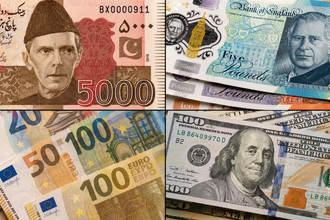
The Pakistani rupee continued its impressive performance against the US dollar on Tuesday, marking its 185th consecutive day of gains and setting yet another record in its ongoing recovery trend.
According to market data, the rupee closed at Rs278.21 against the US dollar after appreciating by one paisa during the trading session. The steady performance highlights the local currency’s resilience amid evolving global and domestic economic conditions.
The latest gain, although modest, extends a recovery streak that has become one of the longest periods of sustained appreciation for the Pakistani rupee in recent years. Currency market participants continue to monitor economic indicators, foreign exchange reserves, remittance inflows, and trade developments that influence exchange rate movements.
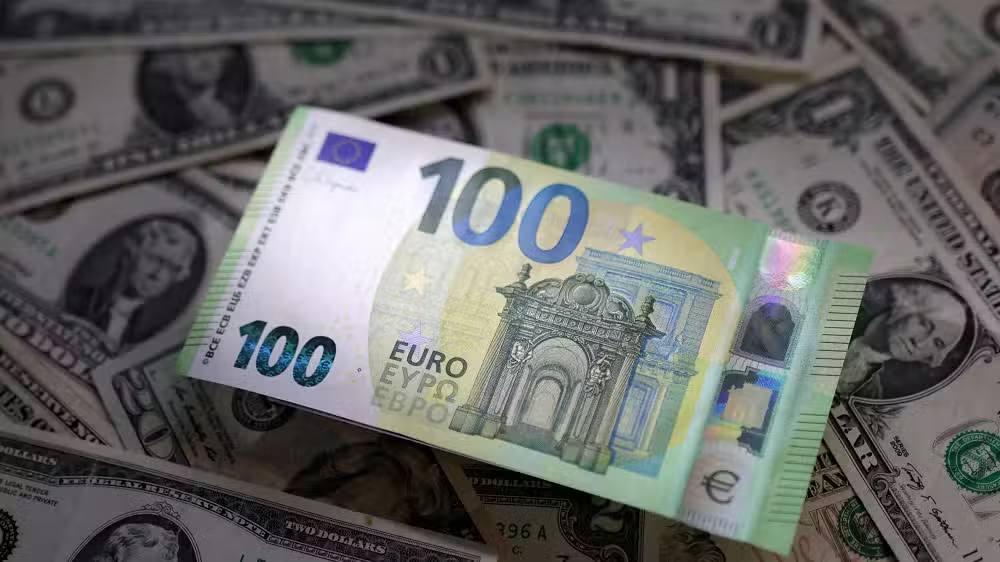
While the US dollar remained under pressure against the rupee, major European currencies displayed mixed trends. The Euro continued its downward trajectory, following the weakness observed in recent sessions. The common European currency moved closer to the Rs310 mark, reflecting shifts in international currency markets and fluctuations in the euro-dollar exchange rate.
In contrast, the British pound showed signs of recovery against the Pakistani rupee. After experiencing volatility in recent trading sessions, the pound regained some strength, offering support to its value in the local currency market.
Currency analysts note that movements in the euro and pound are often influenced by global economic developments, central bank policies, inflation data, and investor sentiment across major financial markets. These factors can impact exchange rates even when the rupee remains relatively stable against the US dollar.
The rupee’s prolonged recovery has been closely watched by businesses, importers, exporters, and overseas Pakistanis. A stable local currency can help improve market confidence, reduce uncertainty for traders, and support broader economic planning.
However, experts caution that currency performance remains dependent on multiple domestic and international variables. Changes in global commodity prices, geopolitical developments, interest rate decisions, and foreign investment flows can all influence future exchange rate trends.
As the rupee continues its record-breaking run against the US dollar, financial markets will remain focused on upcoming economic indicators and policy decisions that could shape the direction of Pakistan’s currency market in the weeks ahead.