The Pakistani rupee continued its positive momentum against the US dollar on Monday, extending its remarkable appreciation streak to 211 consecutive trading days. While the local currency strengthened slightly against the dollar, it remained close to the Rs. 375 level against the British pound, reflecting mixed performance across major foreign currencies.
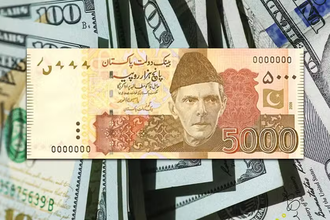
According to the latest interbank market data, the Pakistani rupee (PKR) closed at Rs. 277.77 per US dollar, gaining three paisas compared to the previous trading session. The modest improvement marks the rupee’s 211th consecutive day of gains against the greenback, highlighting sustained stability in the foreign exchange market.
The continued appreciation against the US dollar comes amid efforts to maintain exchange rate stability through improved foreign exchange inflows, controlled imports, and prudent monetary and fiscal policies. Although the daily gain was small, the extended streak reflects the relative resilience of the rupee in recent months.
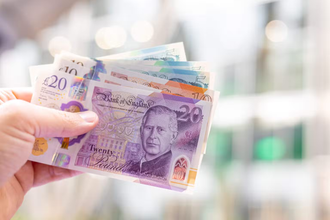
Despite its stronger position against the US dollar, the rupee remained under pressure against other major international currencies, including the British pound, where it traded near the Rs. 375 mark. Currency movements against the pound are largely influenced by fluctuations in global foreign exchange markets and the relative strength of the UK currency.
Exchange rate movements play a significant role in Pakistan’s economy, affecting import costs, export competitiveness, foreign debt repayments, overseas remittances, and inflation. A stronger rupee against the US dollar can help reduce the cost of imported goods and ease inflationary pressures, particularly for commodities priced in dollars.
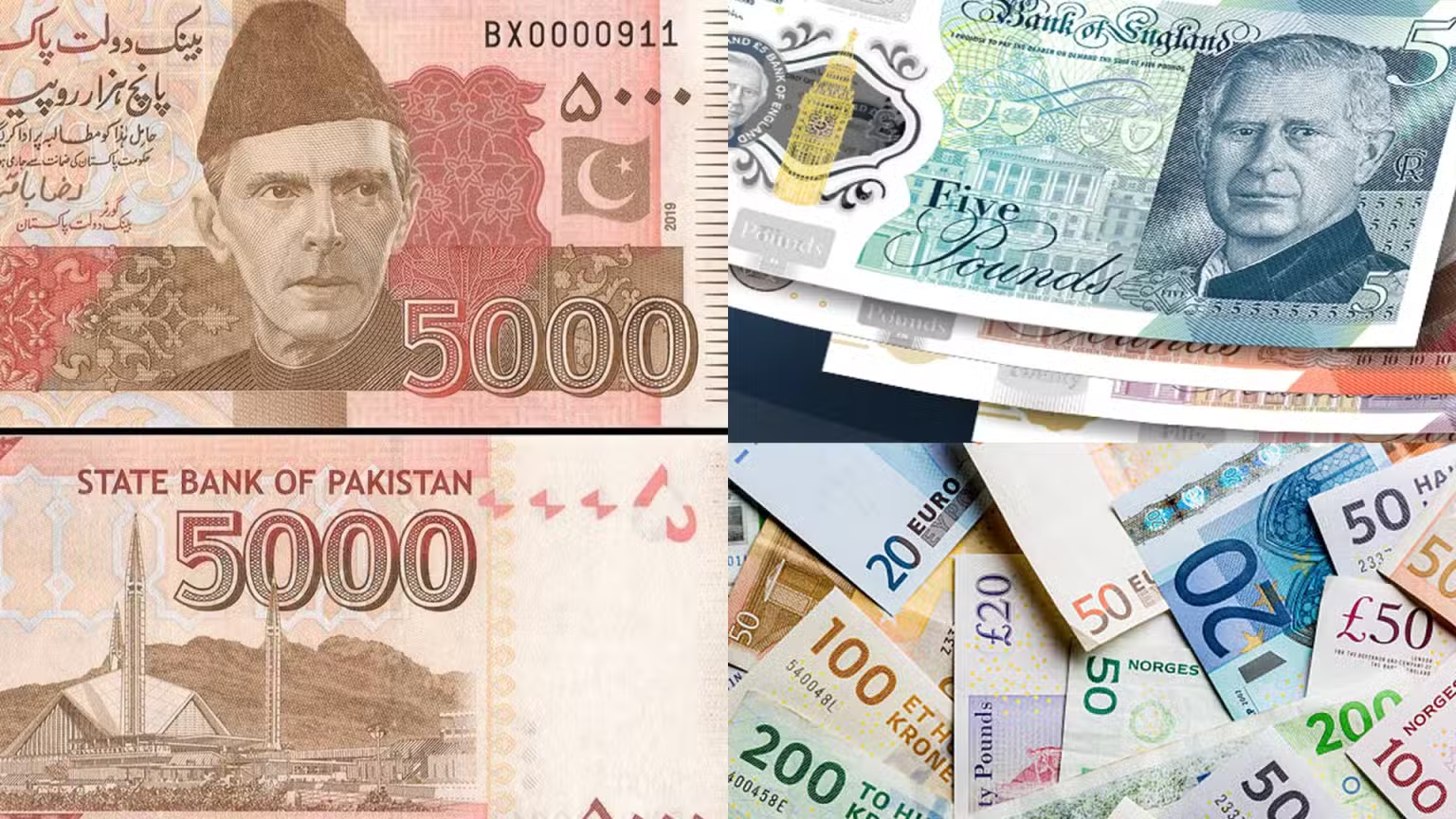
However, economists note that currency performance should be assessed against a basket of major global currencies rather than a single benchmark. While gains against the US dollar are encouraging, fluctuations against currencies such as the British pound and the euro also influence trade and financial transactions.
Businesses involved in international trade closely monitor exchange rate movements to manage pricing, contracts, and import costs. Overseas Pakistanis also pay attention to currency trends, as exchange rates directly impact the value of remittances sent back home.
Financial analysts expect the rupee’s future performance to depend on several factors, including foreign exchange reserves, trade balances, global market conditions, and investor confidence. Any significant changes in international economic conditions or domestic policy could influence currency movements in the coming weeks.
For now, the Pakistani rupee has maintained its upward trajectory against the US dollar, achieving another milestone with its 211-day appreciation streak while remaining closely watched against other major global currencies.