The Pakistani rupee (PKR) posted another gain against the US dollar on Friday, extending its positive momentum for the 215th consecutive trading day. The local currency also showed improved performance against several major international currencies as investors reacted to political developments, including election-related news from Azad Kashmir.
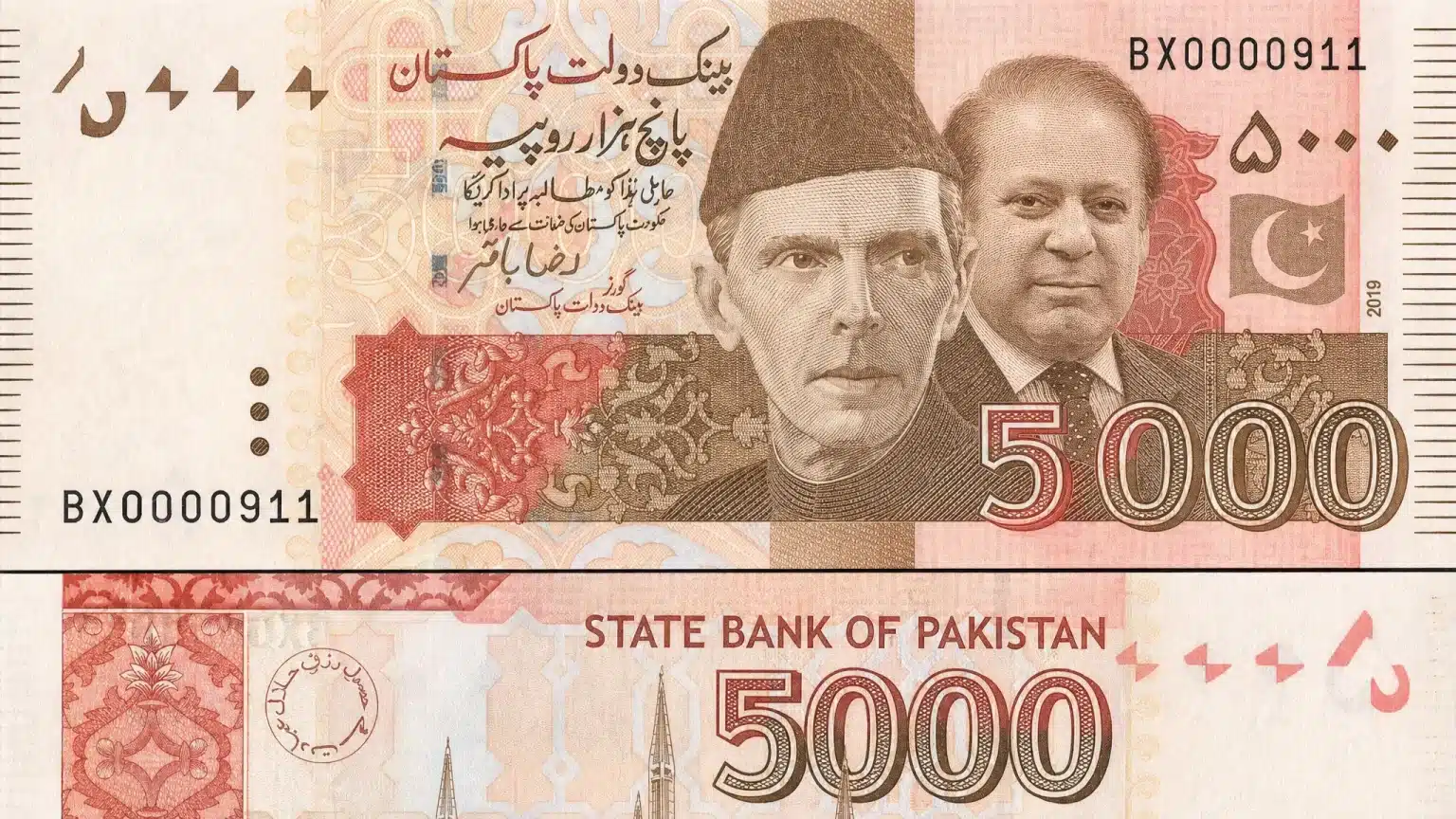
According to the latest market data, the Pakistani rupee closed at Rs. 277.71 per US dollar, gaining one paisa compared to the previous trading session. Although the daily increase was modest, it marked another step in the currency’s extended period of stability against the greenback.
Currency traders attributed the rupee’s resilience to a combination of improving market sentiment, stable foreign exchange management, and renewed investor confidence following political developments in Azad Kashmir. Market participants generally view political stability as an important factor influencing investor expectations and currency performance.
The rupee’s continued recovery comes as Pakistan navigates a challenging global economic environment marked by fluctuating oil prices, geopolitical uncertainty, and shifting monetary policies in major economies. Despite these external pressures, the local currency has managed to maintain relative stability in recent months.
Analysts say consistent exchange rate performance can help improve business confidence by reducing uncertainty for importers, exporters, and investors. A stable currency also assists companies in planning international transactions and managing foreign exchange risks more effectively.
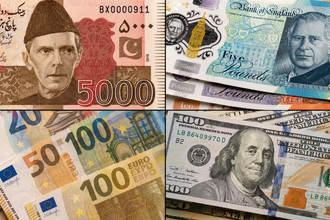
In addition to strengthening against the US dollar, the Pakistani rupee reportedly gained ground against several other leading global currencies during Friday’s trading session. Movements against currencies such as the British pound, euro, UAE dirham, and Saudi riyal are closely monitored because of their importance for trade, overseas remittances, and international business.
Exchange rate fluctuations have a direct impact on Pakistan’s economy. A stronger rupee can reduce the cost of imported goods, including petroleum products, industrial raw materials, and machinery. Lower import costs may also help ease inflationary pressures if exchange rate stability is maintained over an extended period.
However, economists caution that sustainable currency strength depends on broader economic fundamentals, including healthy foreign exchange reserves, export growth, steady remittance inflows, fiscal discipline, and investor confidence. Short-term movements driven by market sentiment alone may not always translate into long-term stability.
Financial markets will continue monitoring domestic political developments alongside international economic trends, including global oil prices, interest rate decisions by major central banks, and regional geopolitical events. These factors are expected to influence the rupee’s direction in the coming weeks.
The State Bank of Pakistan’s monetary policy, foreign exchange reserves, and external financing conditions will also remain key indicators for businesses and investors assessing the outlook for the national currency.
With the rupee recording its 215th consecutive day of gains against the US dollar, market participants will be watching closely to see whether the currency can maintain its positive trajectory amid evolving domestic and global economic conditions.