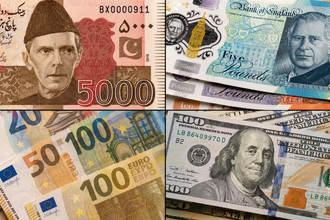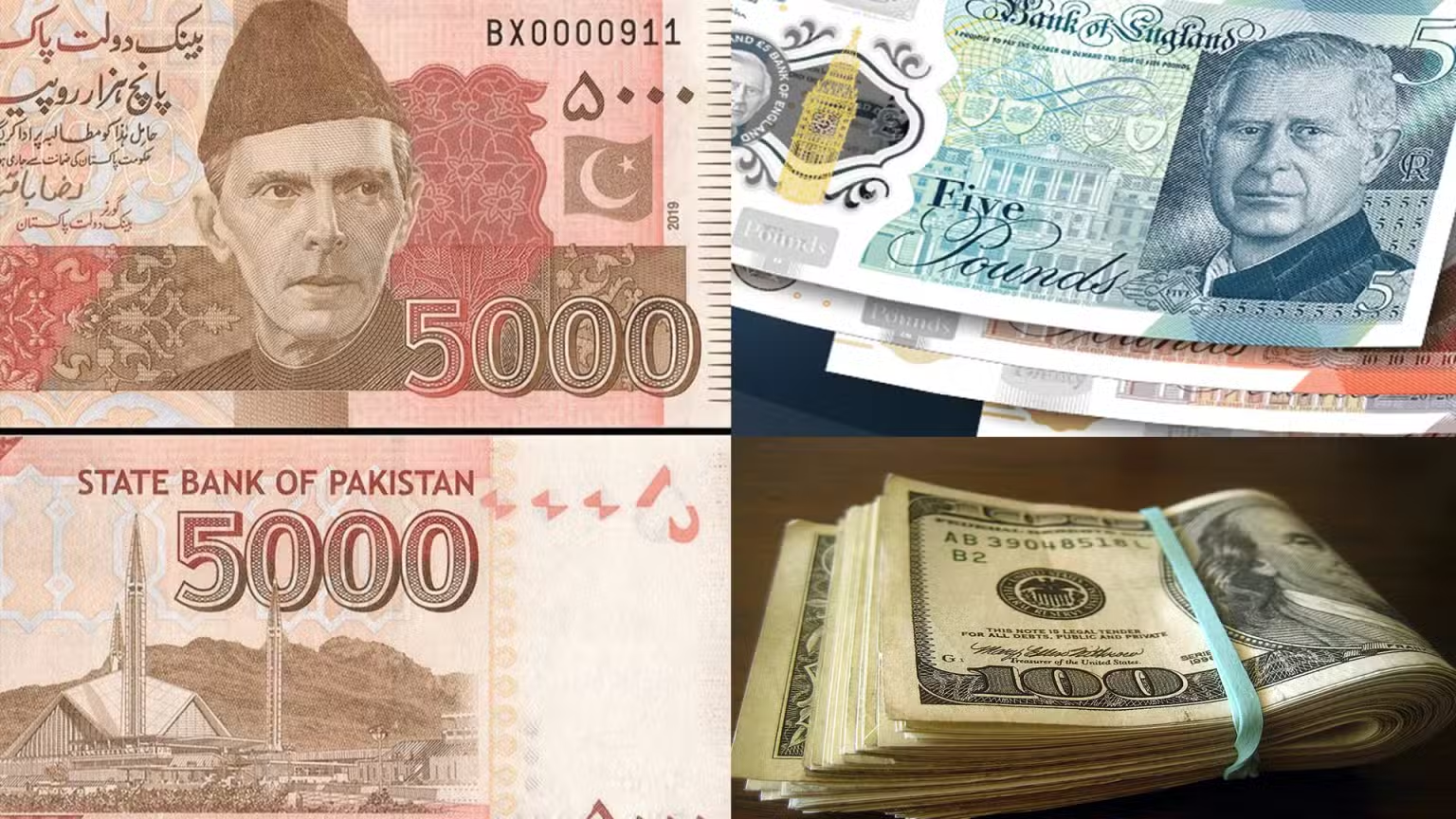
The Pakistani rupee continued its positive momentum on Monday, posting gains against the US dollar for the 184th consecutive trading day. The latest movement in the currency market reflects improving investor sentiment and easing pressure on Pakistan’s foreign exchange landscape.
According to market data, the Pakistani rupee closed at Rs. 278.22 against the US dollar after gaining three paisas during the trading session. While the improvement was modest, it marked yet another milestone in the rupee’s prolonged recovery against the greenback.
Currency analysts attribute the rupee’s stability to a combination of factors, including improved foreign exchange reserves, controlled import demand, stronger remittance inflows, and optimism surrounding regional geopolitical developments. Recent reports of Gulf truce discussions have also contributed to calmer market conditions, helping ease concerns about volatility in global energy markets and international trade.
Meanwhile, the British pound and the euro continued the downward trend witnessed during the previous week. The pound edged closer to the Rs. 360 level, while the euro also weakened against the Pakistani rupee as international currency markets reacted to changing economic expectations and shifting investor sentiment.
The decline in major European currencies comes amid broader fluctuations in global foreign exchange markets. Investors have been closely monitoring economic indicators, central bank policies, inflation trends, and geopolitical developments that continue to influence currency valuations worldwide.
For Pakistan, the sustained recovery of the rupee against the dollar is being viewed as a positive signal for economic stability. A stronger local currency can help reduce import costs, ease inflationary pressures, and improve business confidence. However, economists caution that maintaining currency stability will require continued fiscal discipline, export growth, and consistent foreign exchange inflows.
The dollar remains one of the most closely watched currencies in Pakistan due to its direct impact on fuel prices, imports, foreign debt obligations, and overall economic activity. Even minor movements in the exchange rate can have significant implications for businesses and consumers alike.
Financial experts note that while the rupee’s extended streak of gains is encouraging, global economic uncertainties and regional developments could still influence future currency trends. As a result, market participants continue to monitor both domestic economic indicators and international events that may affect exchange rate dynamics.
The latest trading session adds another chapter to the rupee’s ongoing recovery story, with investors and businesses watching closely to see whether the currency can maintain its upward trajectory in the weeks ahead. With the pound and euro also softening against the rupee, Pakistan’s foreign exchange market remains in focus as global economic conditions continue to evolve.