The Pakistani rupee (PKR) wrapped up the month of July with a mixed performance, ending the final trading session slightly stronger against the US dollar (USD) while still reflecting broader concerns about the country’s economic outlook. Although the local currency managed to extend its positive streak in the interbank market, July proved to be a challenging month amid ongoing external and fiscal pressures.
According to the latest interbank market data, the Pakistani rupee appreciated by one paisa against the US dollar on Friday, closing at Rs. 277.80 per USD. The modest gain marked the 210th consecutive trading session in which the rupee ended in the green against the dollar.
Despite Friday’s improvement, the overall performance of the rupee throughout July remained under close watch as businesses, investors, and financial markets continued to monitor inflation, foreign exchange reserves, import demand, and external financing developments.
Currency stability remains a key priority for Pakistan as the country works to strengthen macroeconomic conditions and maintain confidence in its financial markets. A relatively stable exchange rate can help reduce uncertainty for importers, exporters, and investors while supporting overall economic planning.
The State Bank of Pakistan (SBP) continues to monitor foreign exchange market conditions alongside broader economic indicators. Exchange rate movements are influenced by several factors, including export earnings, remittances, foreign direct investment, international commodity prices, and demand for the US dollar.
Financial analysts note that even small daily gains or losses in the rupee should be viewed within the context of broader market trends rather than in isolation. Global economic conditions, changes in investor sentiment, and domestic policy decisions all play a role in determining the direction of Pakistan’s currency.
The rupee’s exchange rate also has a direct impact on Pakistan’s import bill, particularly for essential commodities such as petroleum, machinery, and industrial raw materials. A stronger local currency can help ease import costs, while depreciation may increase inflationary pressure by making imported goods more expensive.
Exporters also closely follow exchange rate movements, as currency fluctuations influence the competitiveness of Pakistani products in international markets. Maintaining a balanced and stable exchange rate is considered important for supporting both trade and economic growth.
Pakistan has implemented a range of economic reforms aimed at improving fiscal stability, strengthening foreign exchange reserves, and attracting investment. Continued progress in these areas is expected to play an important role in maintaining confidence in the rupee over the long term.
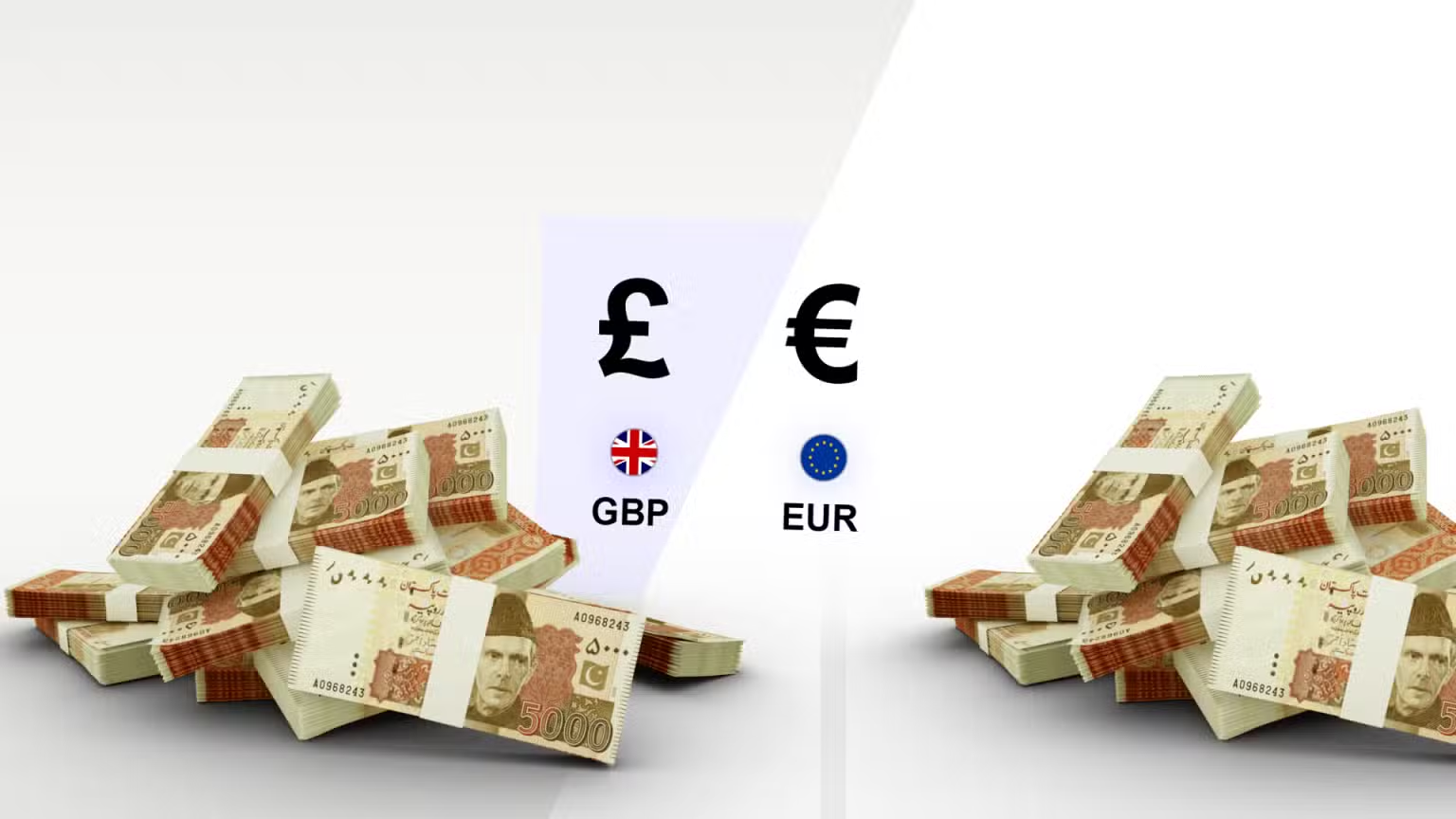
As markets move into August, investors and businesses will continue tracking economic indicators, central bank policies, and international developments that could influence the value of the Pakistani rupee against major global currencies.
While the one-paisa appreciation offered a positive end to the week’s trading session, the broader focus remains on sustaining economic stability and ensuring that the currency continues to perform consistently amid domestic and global financial challenges.