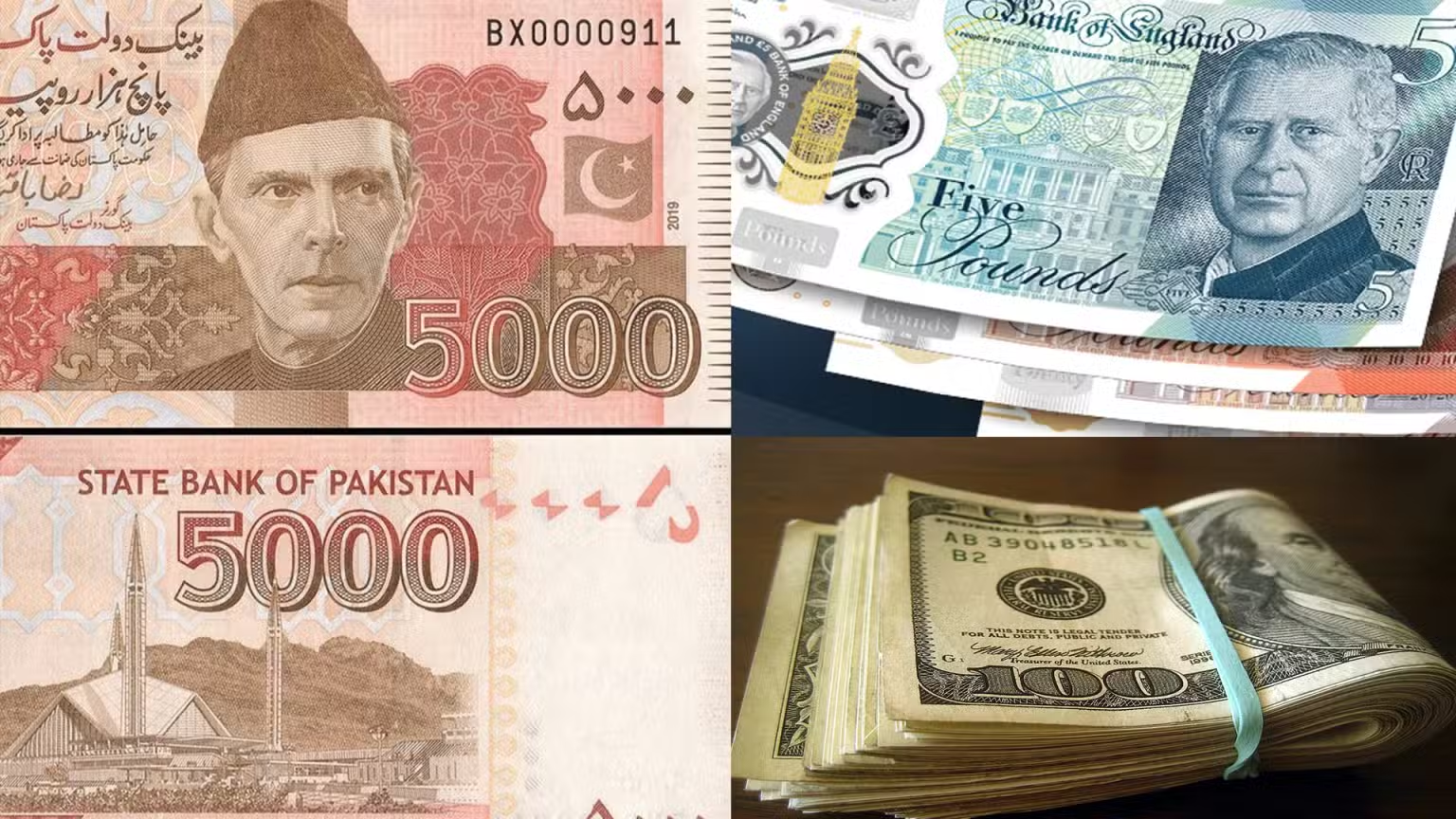
The Pakistani rupee (PKR) continued its positive momentum in the foreign exchange market, closing stronger against the US dollar for the 203rd consecutive trading session on Wednesday. The latest appreciation reflects the currency’s continued stability amid improving market sentiment and steady exchange rate management.
According to the latest market data, the Pakistani rupee closed at Rs. 277.91 against the US dollar, registering a gain of one paisa compared to the previous trading session. Although the daily movement was modest, it extended one of the longest periods of sustained stability for the local currency in recent years.
The rupee’s consistent performance has attracted attention from businesses, importers, exporters, and financial analysts, who closely monitor exchange rate trends due to their impact on trade, inflation, and investment. A stable currency can help improve economic confidence while reducing uncertainty for businesses involved in international transactions.
Beyond the US dollar, the Pakistani rupee also recovered against several widely traded international currencies during the latest trading session. Movements in exchange rates are influenced by global market conditions, demand for foreign currencies, trade activity, remittance inflows, and central bank policies.
Currency fluctuations directly affect Pakistan’s economy because the country relies on imports for petroleum products, industrial machinery, pharmaceuticals, and other essential goods. A stronger rupee can help lower import costs, reduce pressure on inflation, and ease the financial burden on businesses that depend on foreign suppliers.
The exchange rate also plays a crucial role in determining the cost of overseas education, international travel, and foreign currency transactions. Any appreciation in the rupee may provide some relief to students studying abroad, travelers, and companies making international payments.
Financial experts note that maintaining exchange rate stability requires a combination of prudent monetary policy, healthy foreign exchange reserves, strong remittance inflows, export growth, and balanced external accounts. These factors collectively influence investor confidence and the long-term strength of the local currency.
Pakistan’s foreign exchange market has experienced greater stability over recent months, supported by improved economic management and efforts to maintain orderly market conditions. Stable exchange rates can encourage foreign investment while helping businesses plan imports, exports, and financial operations with greater certainty.
At the same time, economists emphasize that long-term currency strength depends on sustained economic reforms, export competitiveness, industrial productivity, and continued improvements in the country’s external sector. Temporary gains in the exchange rate are generally more effective when supported by strong economic fundamentals.
For consumers, a stable or appreciating rupee has the potential to moderate the cost of imported products over time, although global commodity prices and domestic taxation also play significant roles in determining retail prices. Businesses, meanwhile, continue to monitor currency movements as they influence production costs, pricing strategies, and profit margins.
As the Pakistani rupee records its 203rd consecutive gain against the US dollar, market participants will continue watching economic indicators, international financial developments, and monetary policy decisions that could influence future exchange rate trends. The latest performance reinforces the currency’s recent resilience while highlighting the importance of maintaining macroeconomic stability in the months ahead.