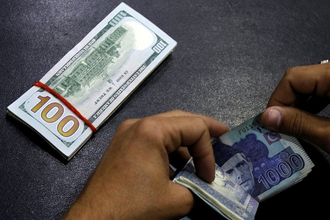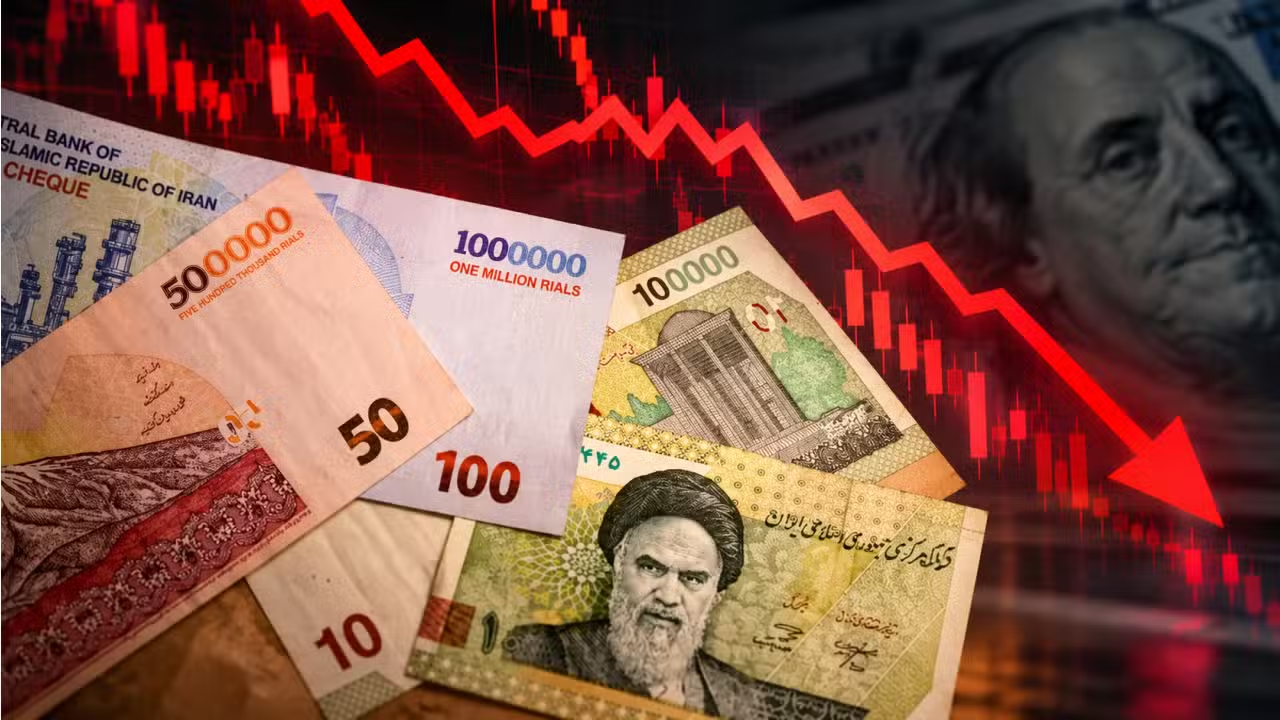
Iran’s rial has fallen to another record low against the US dollar, with traders in Tehran exchanging more than 2.5 million rials for one dollar on Tuesday, September 29, 2026.
The latest decline marks another sharp setback for Iran’s currency, which has continued to weaken amid mounting economic pressure linked to the ongoing conflict, sanctions and restrictions affecting the country’s oil trade.
The rial’s latest record came only 27 days after the currency previously reached approximately 2.2 million rials per dollar on September 2. The rapid succession of new lows illustrates the pace at which the currency has deteriorated in recent months.
Iran’s currency has been under pressure for years because of international sanctions and structural economic difficulties. The current conflict has added another layer of pressure by disrupting trade and restricting access to important sources of foreign currency.
A US naval blockade targeting Iranian oil shipments and additional sanctions introduced since the beginning of the war have further affected Iran’s ability to generate and access oil-related revenues, according to recent reporting.
The weakening currency is also taking place alongside broader economic difficulties inside Iran. Reuters reported on Tuesday that households and businesses are dealing with sharply rising living costs, job losses and growing pressure on purchasing power as the conflict continues.
The exchange-rate decline has also coincided with developments surrounding the strategically important Strait of Hormuz. Iranian Foreign Minister Abbas Araghchi said indirect discussions involving the United States and regional mediators had become more serious, with the reopening of the waterway remaining a central issue.
Qatar has been involved in efforts to relay messages between Tehran and Washington, with Iranian officials awaiting a US response to proposals concerning the Strait of Hormuz and the wider conflict.
The economic significance of the waterway is substantial because it is one of the world’s most important routes for energy shipments. Disruptions around Hormuz can therefore affect Iran’s oil exports as well as regional and international energy markets.
The rial’s decline has added to uncertainty for Iranian consumers and businesses. A weaker currency generally makes imported goods and foreign-currency-priced products more expensive, adding pressure to an economy already dealing with high inflation and limited access to international markets.
Recent reporting has also pointed to a broader contraction in Iran’s economy. Data cited by Al Jazeera showed that Iran’s gross domestic product contracted by 10.1 percent year-on-year during the first quarter of the Persian calendar, while the oil and gas sector suffered a particularly sharp decline.
The latest currency movement therefore comes amid several overlapping economic pressures, including sanctions, reduced oil revenues, disrupted trade and the wider effects of the war.
For Iran, stabilizing the rial will depend on a range of economic and geopolitical factors, including access to foreign exchange, oil exports, sanctions conditions and developments surrounding the conflict.
For now, the exchange rate above 2.5 million rials per US dollar represents another historic low for Iran’s currency and underscores the continuing economic strain facing the country.