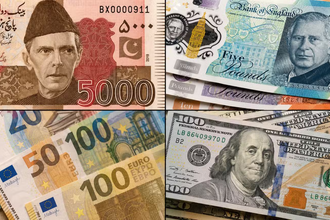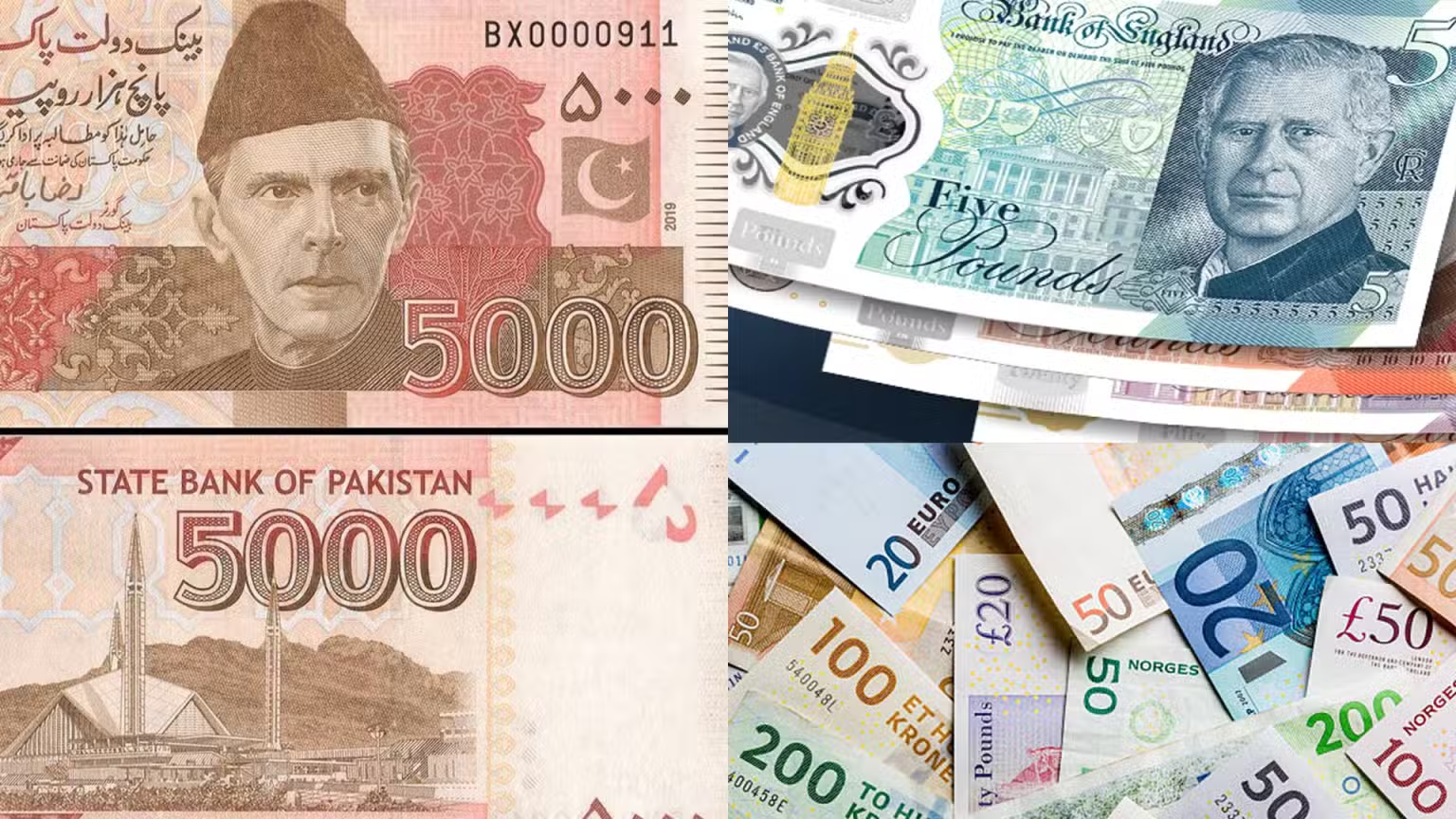
The Pakistani rupee continued its steady performance against the US dollar on Thursday, extending its positive closing streak to 252 consecutive trading days.
The rupee closed at 277.10 against the US dollar after gaining one paisa during the latest trading session. The marginal daily improvement extended a prolonged period of stability and gradual gains for the local currency.
The movement in the exchange market also came as the euro and British pound recorded declines against the Pakistani rupee, increasing attention on currency movements in Pakistan’s foreign exchange market.
The rupee’s latest performance has kept the currency close to the 277 level against the US dollar. Market watchers are continuing to monitor whether the current trend can support further movement in the exchange rate in the coming sessions.
The 252-day streak is notable because it reflects the duration over which the Pakistani currency has closed stronger or maintained its positive movement against the US dollar, depending on the daily exchange-rate comparison.
At 277.10 per dollar, the rupee remains close to the 277 level. The latest one-paisa gain may appear small on a daily basis, but the extended streak has become an important feature of recent currency-market activity.
The decline of major foreign currencies against the rupee is also relevant for businesses and individuals dealing in international transactions. Exchange-rate movements can influence the local cost of imports, overseas payments and other foreign-currency obligations.
For consumers, changes in the value of the euro and pound can affect the rupee cost of payments linked to travel, education, remittances and purchases priced in those currencies. Businesses with exposure to international markets also monitor such movements when managing their foreign-currency transactions.
The US dollar remains the key benchmark for Pakistan’s foreign exchange market. The rupee’s latest closing level of 277.10 means that relatively small daily movements continue to be closely watched by traders, businesses and investors.
The recent stability in the rupee has also drawn attention to the possibility of further movement toward the 276 level. However, future exchange rates will depend on market conditions and factors affecting demand and supply for foreign currency.
Currency markets can change in response to a range of factors, including import payments, foreign exchange inflows, remittances, global currency movements and domestic economic developments. As a result, short-term exchange-rate expectations can change quickly.
The latest session therefore provides another update on the rupee’s ongoing performance. With the currency closing at 277.10 and extending its positive streak to 252 consecutive days, market participants will continue to watch whether the trend remains intact in upcoming sessions.
The movement of the euro and British pound against the rupee also adds another dimension to the currency market, particularly for people and businesses whose transactions are linked to European currencies.
For now, the latest trading data shows a largely stable rupee against the US dollar, accompanied by weaker euro and pound values against the Pakistani currency.