The Pakistani rupee (PKR) continued its positive momentum in the interbank market on Thursday, extending its winning streak against the US dollar for the 204th consecutive trading day. The local currency appreciated by one paisa, reflecting continued stability in the foreign exchange market.
At the close of trading, the Pakistani rupee settled at Rs. 277.90 per US dollar, compared to the previous session. Although the gain was modest, it marked another day of steady performance, reinforcing the currency’s prolonged upward trend against the greenback.
The sustained appreciation of the rupee has been closely monitored by investors, businesses, and financial analysts, as exchange rate stability plays a significant role in managing inflation, import costs, and investor confidence. A stable currency can also help businesses plan international transactions more effectively while reducing uncertainty in the market.
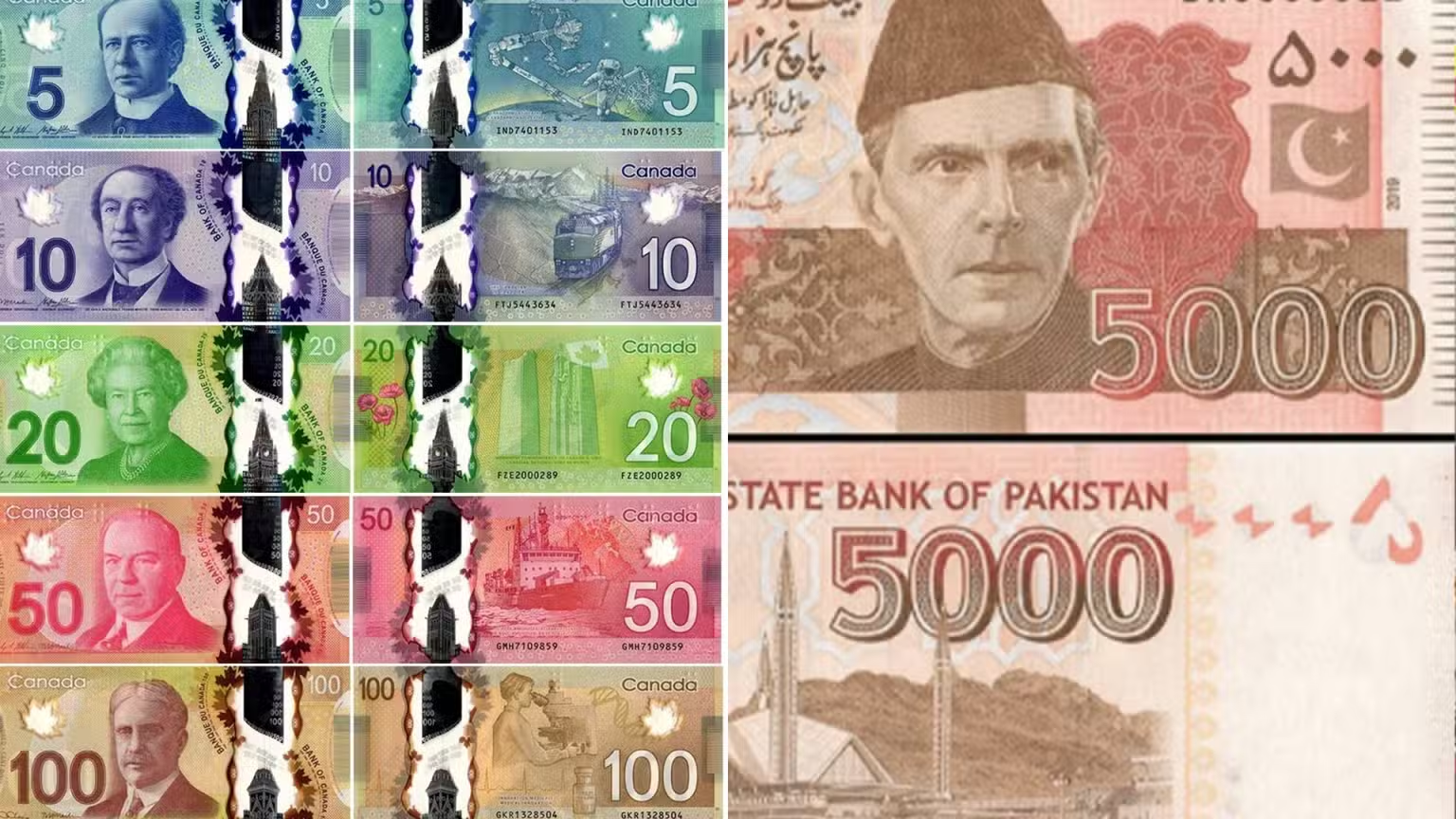
Meanwhile, the Pakistani rupee also remained close to the Rs. 200 mark against the Canadian dollar, highlighting ongoing fluctuations in global currency markets. Exchange rates against currencies such as the Canadian dollar, euro, and British pound continue to be influenced by international economic conditions, central bank policies, and changes in global demand for major currencies.
Currency movements are shaped by a combination of domestic and international factors, including foreign exchange reserves, remittance inflows, export earnings, import payments, and monetary policy decisions. Global developments, particularly movements in the US dollar and commodity markets, also have a significant impact on Pakistan’s exchange rate.
Financial experts note that maintaining exchange rate stability is important for supporting economic growth and improving business confidence. A stronger rupee can reduce the cost of imported goods, industrial raw materials, and fuel, potentially easing inflationary pressures. However, exporters often prefer a balanced exchange rate that keeps Pakistani products competitive in international markets.
The State Bank of Pakistan continues to monitor developments in the foreign exchange market while implementing monetary policies aimed at maintaining financial stability. Consistent market oversight and prudent fiscal management remain key factors in supporting the rupee’s performance.
Businesses engaged in international trade also closely follow daily exchange rate movements, as even minor fluctuations can affect import costs, export revenues, and foreign currency obligations. Overseas Pakistanis sending remittances are similarly impacted by changes in exchange rates, making currency trends an important economic indicator.
The rupee’s continued gains against the US dollar reflect ongoing stability in Pakistan’s interbank market, although analysts caution that future movements will depend on both domestic economic performance and evolving global financial conditions.
As Pakistan continues to navigate a changing economic landscape, exchange rate stability remains a critical factor for inflation management, trade, investment, and overall economic confidence. Market participants will continue to watch upcoming economic data and international developments that could influence the value of the Pakistani rupee in the weeks ahead.