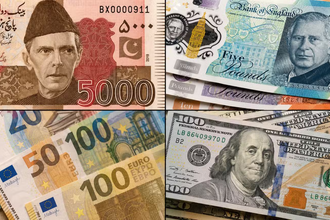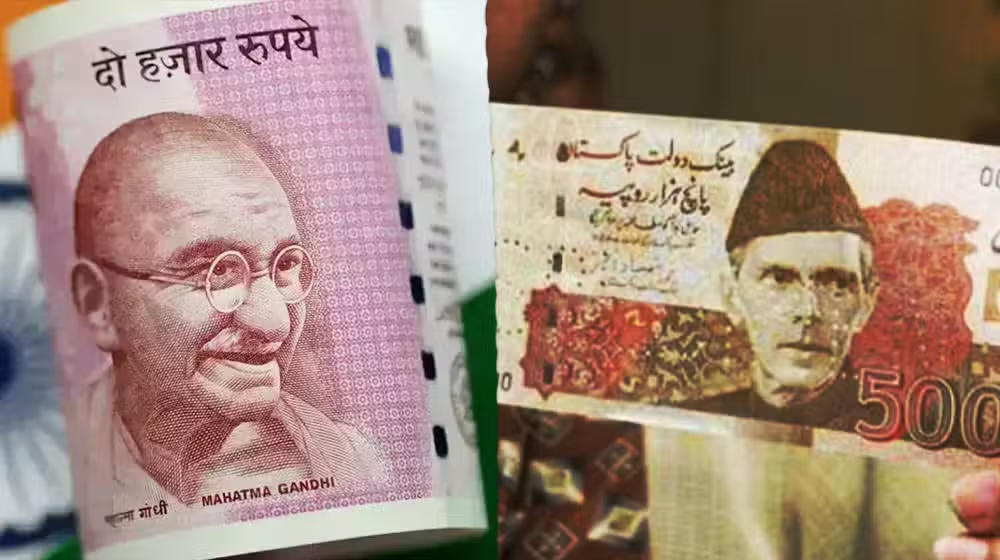
The Indian rupee (INR) has recorded a notable decline against the Pakistani rupee (PKR), reflecting a downward trend in its exchange value over the past year, particularly when compared to interbank rates during the 2025 “Marka-e-Haq” period.
According to recent exchange data, one Indian rupee was valued at approximately 3.2913 PKR on May 15, 2025. By May 18, 2026, the value had dropped to around 2.901 PKR, representing a decline of nearly 11.86 percent against the Pakistani currency.
The data also indicates that a significant portion of this depreciation occurred during 2026, with the Indian rupee weakening by about 6.8 percent year-to-date. The movement highlights shifting currency dynamics in South Asia’s regional financial landscape.
Exchange rate fluctuations between the two currencies are influenced by multiple macroeconomic factors, including inflation trends, foreign exchange reserves, trade balances, and broader global economic conditions. Currency markets in emerging economies are often particularly sensitive to changes in capital flows and external economic pressures.
Financial analysts note that currency depreciation can have mixed effects on an economy. While it may make exports more competitive internationally, it can also increase the cost of imports, fuel inflationary pressures, and impact overall purchasing power.
In the broader regional context, South Asian currencies have faced volatility due to global economic uncertainty, fluctuating commodity prices, and changing monetary policies in major economies. These factors continue to shape investor sentiment and cross-border trade competitiveness.
Pakistan’s currency has also experienced its own set of fluctuations over the same period, influenced by structural economic reforms, IMF-related fiscal adjustments, and foreign exchange market stabilization measures.
Experts suggest that comparing bilateral currency movements should be viewed within the larger global financial environment, where multiple currencies are simultaneously affected by inflation control strategies, interest rate changes, and external debt obligations.
The latest figures underline ongoing volatility in regional currency markets and highlight the importance of macroeconomic stability in maintaining exchange rate confidence.
As economic conditions continue to evolve, analysts expect further adjustments in both currencies depending on trade performance, foreign investment inflows, and monetary policy decisions in the coming months.