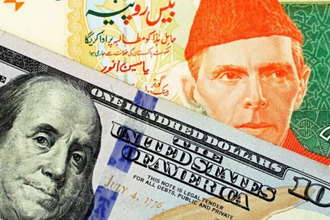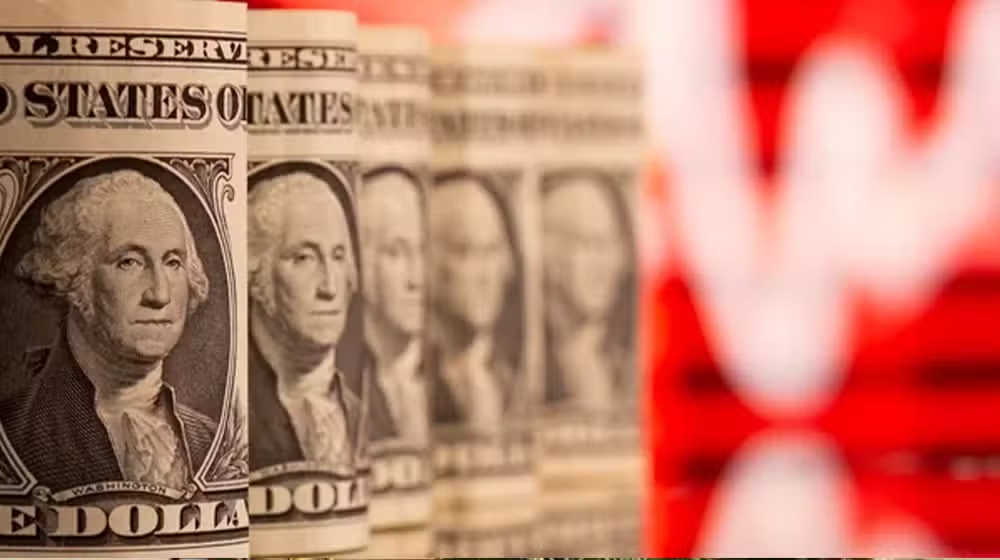
The global dominance of the US dollar is showing signs of gradual decline, as new data from the International Monetary Fund highlights a long-term shift in reserve management strategies. According to the latest Currency Composition of Official Foreign Exchange Reserves (COFER) report for the fourth quarter of 2025, the dollar’s share in global reserves has fallen to its lowest level in over three decades.
The US dollar now accounts for approximately 56.8 percent of allocated foreign exchange reserves held by central banks worldwide. This marks a significant drop from nearly 71 percent in 2001, reflecting a steady diversification trend among global economies. The current level is the lowest recorded since 1994, signaling a gradual but notable transformation in the international financial system.
Despite this decline, the dollar remains the world’s leading reserve currency by a wide margin. However, the data suggests that central banks are increasingly exploring alternatives to reduce reliance on a single currency. This shift is not abrupt but rather a slow, strategic rebalancing of portfolios in response to evolving economic and geopolitical dynamics.
One of the key beneficiaries of this diversification trend is gold. Central banks across the globe have been steadily increasing their holdings of the precious metal as a hedge against currency volatility and inflation. Gold is often viewed as a stable store of value, particularly during times of economic uncertainty, making it an attractive option for reserve diversification.
Financial experts note that this trend could present opportunities for countries like Pakistan. By increasing allocations to gold and other non-dollar assets, nations can potentially strengthen their financial resilience and reduce exposure to fluctuations in the US currency. The approach aligns with broader global patterns, where emerging and developed economies alike are reassessing their reserve compositions.
The findings from the IMF’s COFER data also underline a broader shift toward a more multipolar financial landscape. While the US dollar continues to dominate international trade and finance, the gradual rise of other currencies and assets indicates a more diversified future. This includes growing interest in currencies such as the euro and the Chinese yuan, alongside tangible assets like gold.
Market analysts emphasize that the transition away from dollar-heavy reserves is likely to continue at a measured pace. Factors such as global trade patterns, monetary policy shifts, and geopolitical developments will play a crucial role in shaping this trajectory. For now, the dollar’s position remains strong, but the long-term trend points toward increasing diversification.