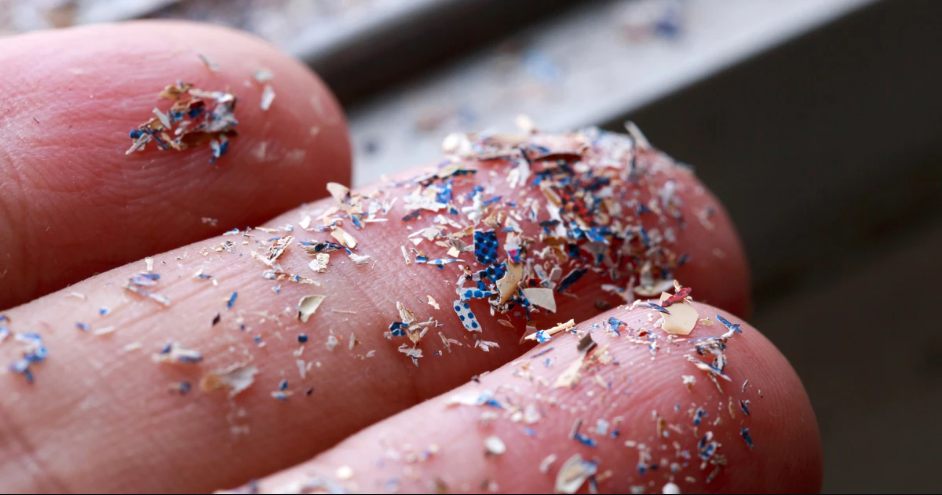
A groundbreaking study from Austria has revealed alarming evidence that microplastics, commonly found in food packaging and everyday items, may be damaging the human gut and potentially increasing the risk of bowel cancer and depression. This is the first study to confirm such biological effects in human tissue samples, highlighting a growing public health concern.
Researchers examined intestinal tissue from healthy volunteers and discovered that microscopic plastic particles can disrupt the gut’s natural microbial balance. These disruptions mirrored biological changes previously associated with digestive disorders, mood imbalance, and even cancer. The team described their discovery as a “wake-up call” for global health authorities to take immediate action.
Microplastics are plastic fragments smaller than two micrometers — so tiny that they can easily enter the human body through food, water, or air. These particles originate from the gradual breakdown of plastic packaging, synthetic clothing, and industrial waste. Once inside, they interact with the intestinal lining and microbiota, disturbing essential biological processes that help regulate digestion, immunity, and even brain function.
Previous research has already detected microplastics in human lungs, blood, breast milk, and placental tissue, indicating that exposure is nearly unavoidable in modern environments. The latest findings now suggest that these particles might also be altering how our bodies function internally, raising serious questions about their long-term health implications.
Lead researcher Christian Pascher-Deutsch from the University of Graz emphasized the severity of the issue. “Microplastics have been found in fish, salt, bottled water, and even the air we breathe. That means most people are consuming or inhaling them daily,” he explained. “While we cannot yet make definitive medical conclusions, the evidence clearly shows they affect the gut microbiome — a system vital for both physical and mental health.”
The gut microbiome is home to trillions of microorganisms that play a key role in digestion, immunity, and mood regulation. Any disturbance in this delicate system has been linked to inflammatory bowel disease, obesity, and depression. The Austrian study adds a new layer of concern — suggesting that microplastic exposure could be a hidden factor influencing these conditions.
Experts worldwide are calling for further research to determine the full extent of microplastics’ impact on human health. Future studies will focus on understanding how these particles interact with gut bacteria and human cells, and whether they can trigger chronic inflammation or genetic changes leading to disease.
While scientists continue to investigate, they recommend reducing plastic consumption wherever possible. Opting for glass containers, avoiding bottled water, and minimizing processed food packaging are some small but meaningful steps individuals can take to lower exposure to these invisible pollutants.
The research serves as a reminder that the world’s plastic addiction is no longer just an environmental problem — it’s a human health crisis unfolding at a microscopic level.