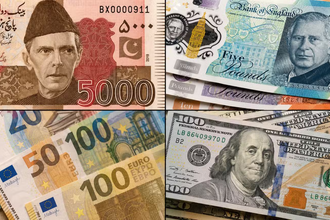
The Pakistani rupee continued its steady performance against the US dollar on Wednesday, extending its positive streak to 222 consecutive trading days.
The Pakistani rupee closed at 277.60 against the US dollar after gaining one paisa during the session. Although the daily improvement was marginal, the extended period of stability remains notable for Pakistan’s currency market.
The rupee’s latest movement comes as currency traders continue to monitor developments in the domestic economy, foreign exchange reserves, import demand, and external financing conditions.
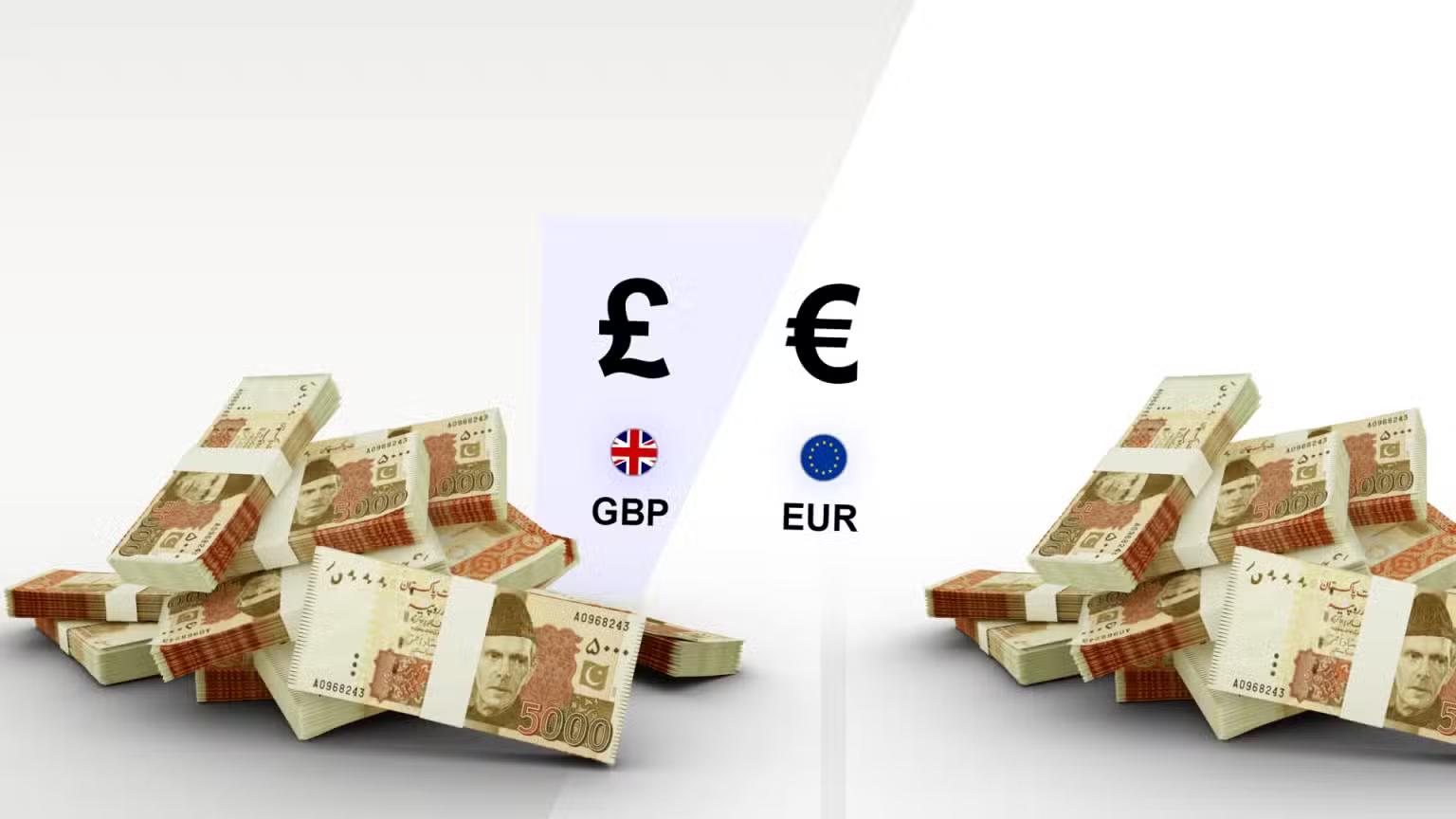
While the dollar remained relatively stable against the Pakistani rupee, other major international currencies continued to trade at considerably higher levels in the local market. The euro was trading near Rs. 325, while the British pound stood around Rs. 377.
The difference between the exchange rates of major currencies reflects broader movements in international foreign exchange markets as well as the rupee’s performance against each currency.
For businesses in Pakistan, exchange-rate movements can have a direct impact on import costs, international payments, and overseas transactions. Companies that purchase goods or services from Europe or the United Kingdom may be particularly sensitive to movements in the euro and pound.
The exchange rate is also important for Pakistani consumers and families making international payments. Students, travelers, exporters, importers, and people receiving or sending foreign currency closely follow daily currency rates.
The rupee’s continued stability against the US dollar can provide some predictability for businesses and financial markets. A more stable exchange rate can make it easier for companies to plan import costs and manage foreign-currency obligations.
However, currency markets can change quickly in response to economic and geopolitical developments. Changes in global interest rates, oil prices, foreign investment, international financing, and domestic economic conditions can all influence the rupee’s future direction.
The State Bank of Pakistan’s monetary policy and foreign exchange management also remain important factors for the currency market. Investors and businesses will continue to watch economic indicators for signs of whether the rupee can maintain its recent stability.
The euro and pound rates remain important benchmarks for companies and individuals dealing with European and British markets. A stronger euro or pound against the rupee can increase the local cost of imports and international services.
For exporters, currency movements can have a different impact depending on their revenue and cost structures. Changes in exchange rates can influence the competitiveness of Pakistani products in international markets.
Wednesday’s closing rate of Rs. 277.60 against the US dollar therefore represents another day of relative stability for the Pakistani currency. The one-paisa gain may appear small, but the 222-day streak highlights a sustained period of limited movement against the dollar.
Market participants will now watch upcoming economic data and global developments to assess whether this trend continues. For now, the rupee remains broadly stable against the US dollar, while the euro and pound continue to trade at significantly higher levels.