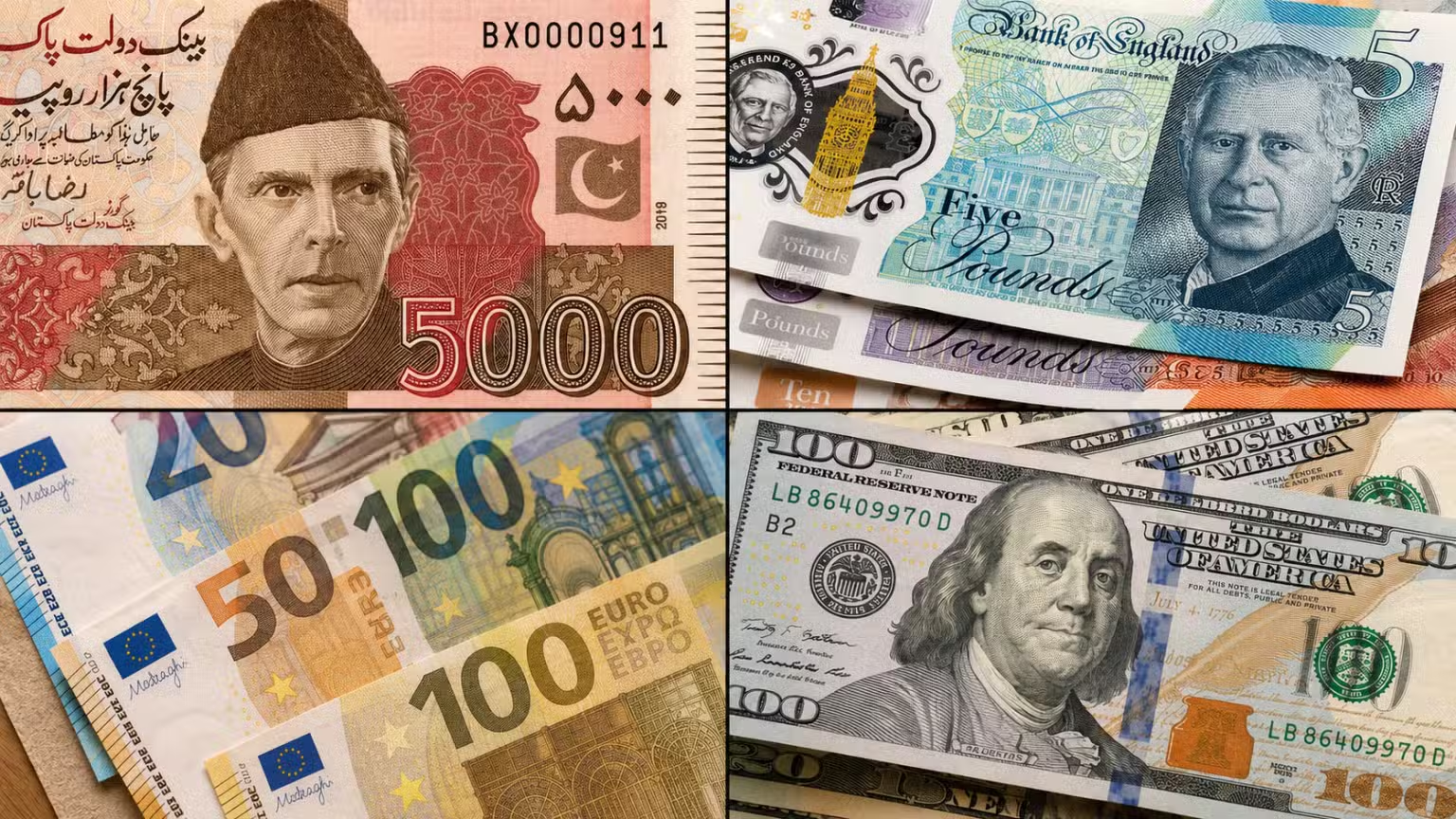
The Pakistani rupee continued its positive performance against the US dollar on Friday, maintaining its recovery streak for the 278th consecutive trading day in the currency market.
According to the latest exchange rate figures, the Pakistani currency closed at Rs. 276.66 against the US dollar after gaining one paisa during the day’s trading session.
The continued stability of the rupee comes at a time when global financial markets are facing uncertainty amid geopolitical tensions and developments surrounding the Gulf conflict. Despite these external challenges, the local currency has maintained its gradual upward movement against the dollar.
The rupee’s latest performance reflects an extended period of relative stability in Pakistan’s foreign exchange market. Its consecutive gains have attracted attention from currency traders, businesses and financial observers monitoring developments in the country’s economy.
Exchange rate movements are particularly important for Pakistan because the country relies on imports for several essential commodities, industrial materials, machinery and energy products. Changes in the value of the rupee can directly influence the cost of imported goods and affect businesses operating across different sectors.
A relatively stable currency can provide some predictability for importers and companies involved in international trade. It may also help businesses manage their financial planning by reducing uncertainty surrounding foreign currency payments.
The rupee’s performance is also closely watched by overseas Pakistanis, investors and people involved in international transactions. Currency stability can influence remittances, import payments and the overall business environment.
However, maintaining a sustainable exchange rate requires several economic factors to remain balanced. Foreign exchange reserves, export earnings, overseas remittances, import demand and international financial conditions all play a role in determining the rupee’s performance.
Geopolitical developments in the Gulf region can also affect currency markets through changes in international oil prices, trade routes and investor confidence. For an import-dependent economy such as Pakistan, fluctuations in global energy markets can have wider economic implications.
The latest closing rate of Rs. 276.66 indicates that the rupee has maintained its positive momentum despite these international uncertainties. Nevertheless, daily movements remain relatively small, with Friday’s improvement amounting to just one paisa.
Market participants will continue monitoring upcoming currency sessions to assess whether the rupee can maintain its extended winning streak. Future exchange rate movements will depend on domestic economic conditions as well as developments in international financial markets.
For now, the Pakistani rupee has continued its recovery against the US dollar, recording its 278th consecutive day of gains and closing Friday’s session at Rs. 276.66.