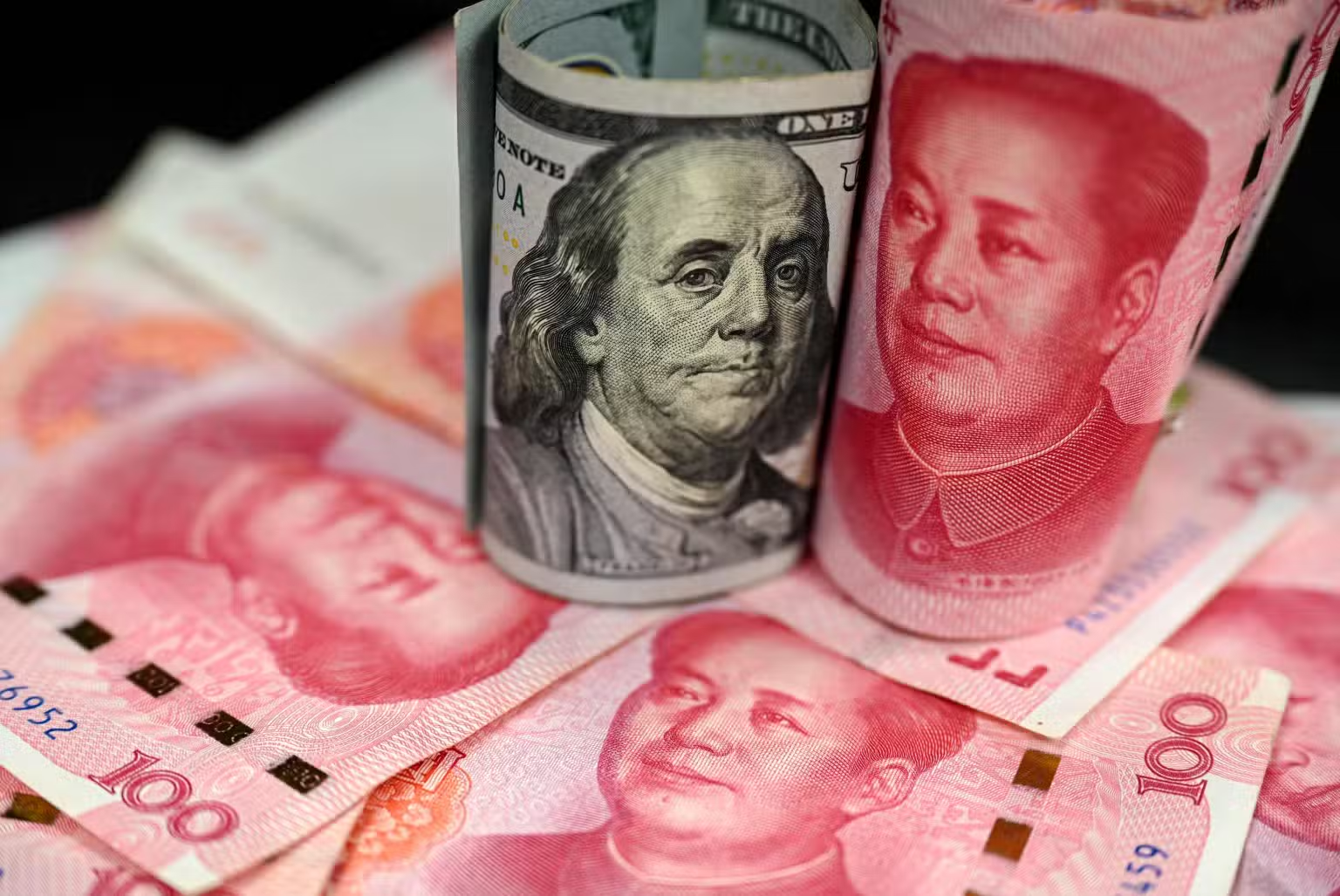
Pakistan has received assurances from China and Kuwait regarding the rollover of loans worth a combined $4.3 billion, providing additional support for the country’s external financing requirements during the current fiscal year. The expected extensions are aimed at helping Pakistan manage its foreign debt obligations and maintain financial stability.
According to sources cited by ProPakistani, China is expected to roll over $4 billion in loans, while Kuwait has assured Pakistan of an extension worth $300 million.
The development is significant for Pakistan as the government continues to manage its external debt repayments, foreign exchange requirements, and financial commitments under its economic programme.
Sources within the Ministry of Finance indicated that the $4 billion Chinese loan is expected to be rolled over in March 2027. The arrangement would allow Pakistan to continue using the existing financing without immediately repaying the full amount.
Kuwait’s expected $300 million rollover will provide additional support to the country’s external financing position. Together, the commitments from both countries account for $4.3 billion in loans expected to be extended.
The financing arrangements are also expected to include Saudi Arabia, which has remained an important financial partner for Pakistan. According to the available information, loans and financial support from China, Kuwait, and Saudi Arabia are expected to receive extensions for approximately one year.
These rollovers are particularly important because Pakistan faces substantial external financing requirements during the fiscal year. The country needs sufficient foreign exchange resources to meet debt repayments, support imports, maintain reserve levels, and manage pressure on its balance of payments.
China has remained one of Pakistan’s major financial partners, providing deposits, commercial loans, and other forms of financial assistance over the years. These arrangements have played an important role in supporting Pakistan’s foreign exchange position during periods of economic pressure.
Similarly, Saudi Arabia and Kuwait have maintained financial and economic relationships with Pakistan through different forms of assistance and investment cooperation.
Loan rollovers allow borrowing countries to extend repayment deadlines rather than immediately arranging funds to settle maturing obligations. This can reduce short-term pressure on foreign exchange reserves and provide governments with additional time to manage their financial commitments.
For Pakistan, securing these extensions could help strengthen its external financing outlook and support efforts to maintain macroeconomic stability. It may also provide additional flexibility as the government works to meet international financial obligations.
However, loan rollovers do not eliminate existing debt. Instead, they extend the repayment period, meaning Pakistan will continue to remain responsible for settling the outstanding amounts according to the revised arrangements.
The timing and formal completion of these extensions will therefore remain important for the country’s financial planning.
The latest assurances from China and Kuwait also highlight the continued importance of bilateral financial cooperation in Pakistan’s economic strategy. Alongside domestic revenue measures, export growth, foreign investment, and economic reforms, continued support from international partners remains a significant part of the country’s external financing arrangements.
If finalized as expected, the $4.3 billion rollover package, together with the anticipated Saudi financing extensions, will provide Pakistan with additional breathing room as it navigates its external debt obligations during the current fiscal year.