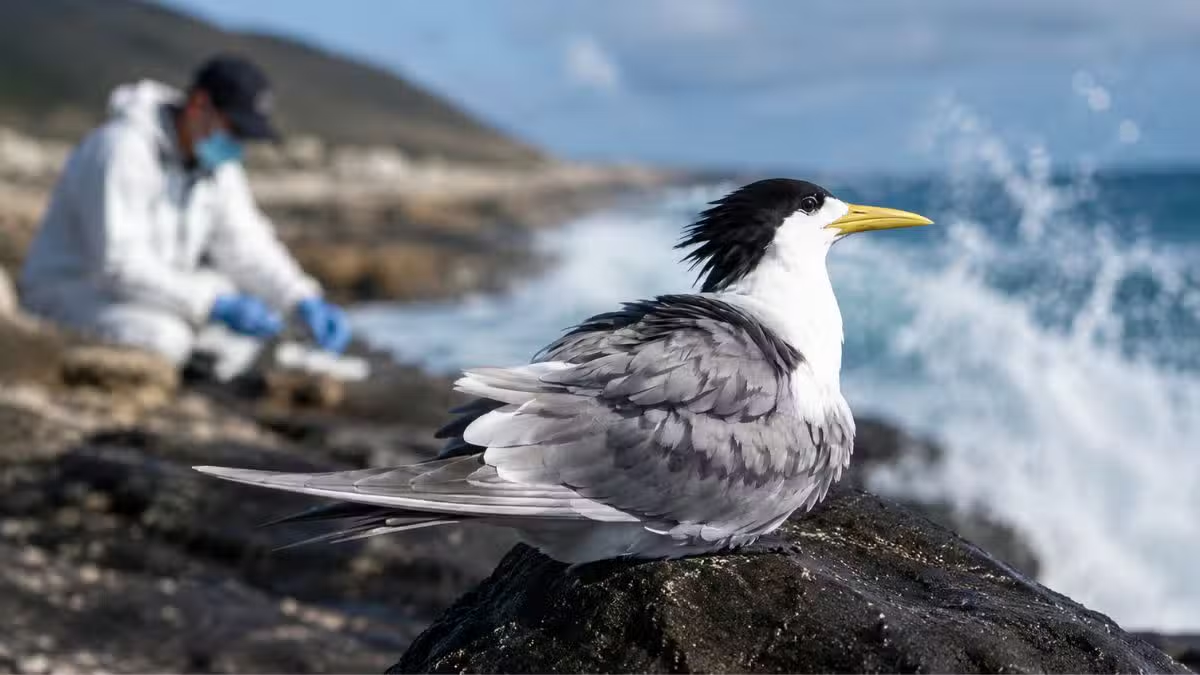
Australia has confirmed its first case of the highly pathogenic H5N1 bird flu in a native seabird, marking another development in the country’s efforts to monitor and contain the spread of avian influenza.
The infection was confirmed through laboratory testing in a greater crested tern discovered in Robe, a coastal town in South Australia. The case has prompted renewed attention from health and agricultural authorities as Australia continues surveillance following the virus’s detection on the mainland last month.
Australian Agriculture Minister Julie Collins said the latest case is significant because it is the first confirmed H5N1 infection in an Australian native seabird. Previous detections had primarily involved migratory seabirds, making this development an important milestone in tracking the virus’s spread within local bird populations.
Authorities are continuing to monitor wild bird populations and assess the potential impact on Australia’s biodiversity and poultry industry. Biosecurity teams have increased surveillance efforts to identify any additional infections and respond quickly if further cases emerge.
H5N1 is a highly contagious strain of avian influenza that primarily affects birds, including wild species and domestic poultry. The virus has caused widespread outbreaks in several countries over recent years, leading to significant losses in bird populations and economic impacts on the poultry sector.
Experts note that while H5N1 mainly spreads among birds, isolated human infections have occurred in some countries through close contact with infected animals. However, health authorities continue to emphasize that the risk to the general public remains low, particularly when appropriate biosecurity measures are followed.
Australia has maintained strict biosecurity controls to reduce the risk of avian influenza spreading among wildlife and commercial poultry. Officials are urging poultry producers, wildlife organizations, and members of the public to report unusual bird deaths or signs of illness to the relevant authorities for prompt investigation.
The confirmation of H5N1 in a native seabird underscores the importance of ongoing monitoring as migratory birds continue to move through the region. Wildlife experts believe early detection and rapid response will remain essential in limiting the virus’s impact on Australia’s ecosystems and agricultural sector.
Authorities have reassured the public that surveillance and containment measures remain in place while investigations continue. Further updates are expected as testing and monitoring efforts progress across affected areas.