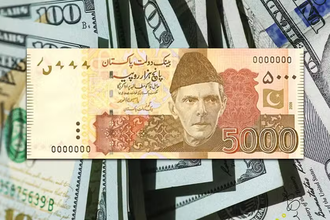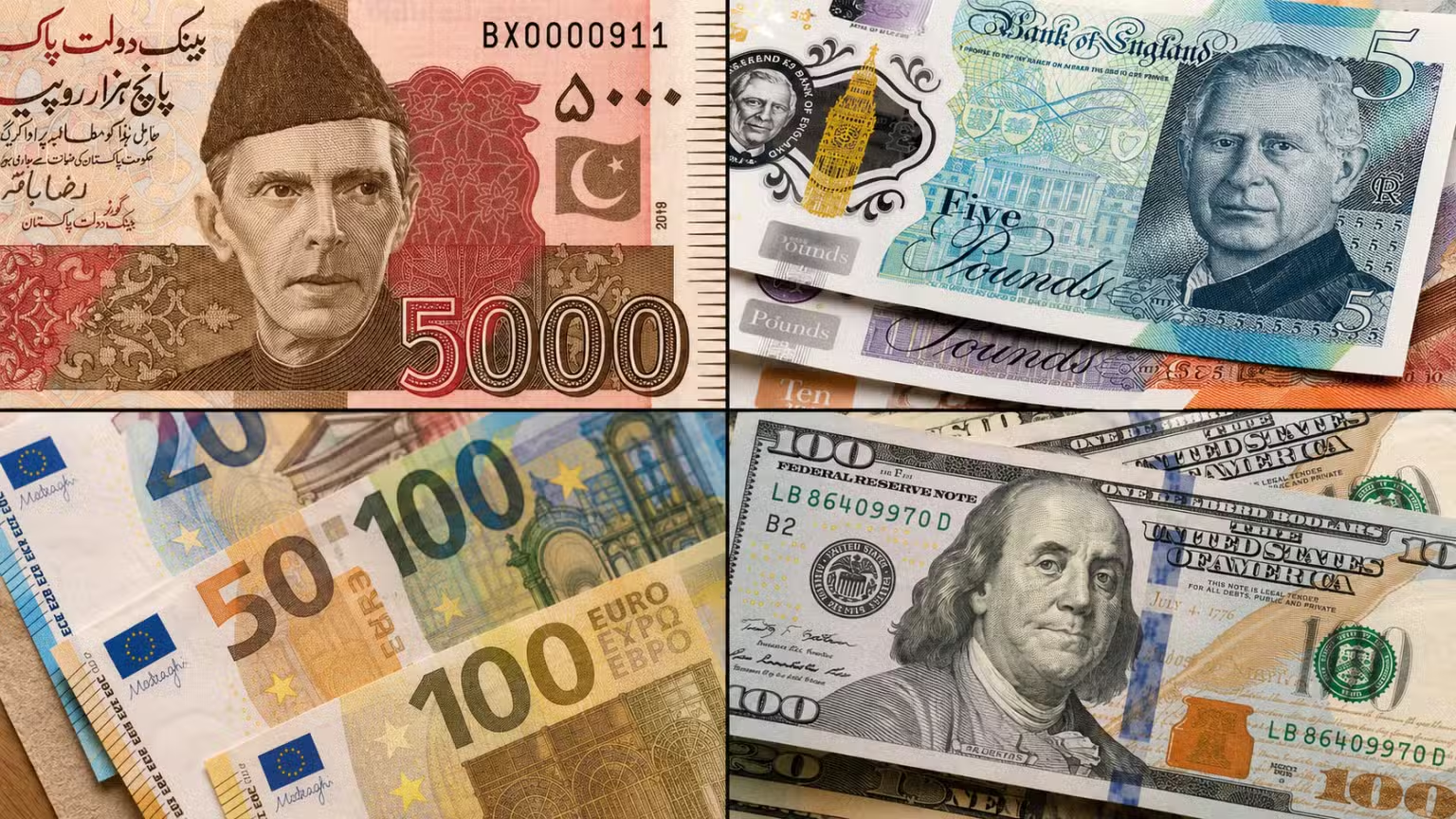
The Pakistani rupee maintained its positive run against the US dollar at the end of the week, extending its streak of consecutive gains against the greenback.
The rupee closed at Rs. 277.25 against the US dollar on Friday, recording a one-paisa improvement from the previous trading session.
According to the reported market data, the Pakistani currency has now remained in positive territory against the US dollar for 243 consecutive days. The extended streak reflects the relative stability of the rupee in the interbank foreign exchange market.
While the rupee’s movement against the dollar remained limited on Friday, greater attention was drawn to the British pound, which experienced a decline against the Pakistani currency.
Market commentary suggested that the British pound could potentially fall below the Rs. 370 level during the coming week if the recent pressure continues.
A day trader quoted by ProPakistani attributed the pressure on the pound partly to energy-related shocks affecting European commodity markets. Such developments can influence expectations surrounding European economies and currencies.
The pound’s movement is closely watched in Pakistan because changes in international exchange rates can affect the domestic value of foreign currencies, particularly for businesses and individuals dealing with overseas payments.
The latest rupee-dollar rate also provides an indication of the currency’s continued stability. At Rs. 277.25, the rupee was marginally stronger against the dollar at the close of Friday’s trading session.
The one-paisa gain may appear small, but it extended the reported streak of positive daily movements against the US currency.
Currency markets remain sensitive to international economic developments, energy prices, interest-rate expectations and changes in demand for major currencies. These factors can influence exchange rates even when domestic trading conditions remain relatively stable.
The reported pressure on the British pound comes as European markets continue to monitor energy costs and commodity-market developments. Any sustained changes in these conditions could affect currency movements in the coming sessions.
For Pakistan, exchange-rate stability can have implications for import costs, foreign payments, remittances and businesses that depend on international trade.
The pound’s possible move below Rs. 370 next week remains a market expectation rather than a confirmed outcome. Actual exchange rates will depend on developments in international and domestic currency markets when trading resumes.
For now, the Pakistani rupee has ended the week at Rs. 277.25 against the US dollar, while market participants are watching whether pressure on the British pound continues into the next trading week.