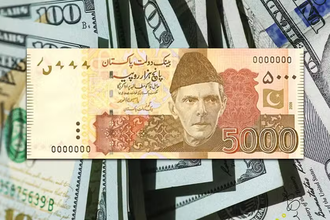
The Pakistani rupee continued its recent positive run against the US dollar on Thursday, while the British pound came under pressure amid concerns surrounding energy markets and the wider economic impact of regional tensions.
The Pakistani currency closed at Rs. 277.26 against the US dollar, gaining one paisa during the latest trading session.
Thursday’s movement marked the 242nd consecutive session in which the Pakistani rupee closed stronger against the US dollar, according to the reported exchange-rate data.
Although the daily gain was modest, the continued streak has drawn attention to the rupee’s performance in the foreign exchange market.
The British pound, meanwhile, is facing pressure as energy-related economic concerns continue to affect markets in Europe and the Gulf.
A day trader cited by ProPakistani said the pound could potentially fall below Rs. 370 if the aftershocks from energy commodity disruptions continue to affect the European and Gulf economies.
The possibility of the British pound dropping below Rs. 370 remains a market assessment rather than a confirmed exchange-rate outcome. Currency movements can change rapidly depending on international developments, commodity prices and investor sentiment.
Energy markets have become an important factor for global currencies because changes in oil and other commodity prices can influence inflation, trade balances and economic expectations.
For Pakistan, movements in major international currencies are closely watched by businesses, importers, exporters and individuals involved in overseas transactions.
The exchange rate between the Pakistani rupee and British pound is particularly relevant for people sending or receiving money between Pakistan and the United Kingdom.
It can also affect the cost of imports and other transactions denominated in pounds, while changes in the dollar exchange rate have broader implications for Pakistan’s international trade and external payments.
The rupee’s latest performance against the US dollar comes despite continued attention on global energy and geopolitical developments.
A one-paisa gain may appear small on a daily basis, but a sustained period of currency stability or appreciation can influence market expectations and the cost of imported goods.
The pound’s movement against the rupee, meanwhile, will depend on developments in both international markets and Pakistan’s own foreign exchange conditions.
Currency traders typically monitor interest-rate expectations, economic data, commodity prices and geopolitical developments when assessing the direction of major currencies.
The latest market commentary suggests that energy-related disruptions could remain an important factor for the British pound if they continue to affect economic conditions across Europe and the Gulf.
For now, the Pakistani rupee has closed at Rs. 277.26 against the US dollar, recording a one-paisa improvement in Thursday’s session.
The reported outlook for the British pound remains dependent on future market developments. Any move below Rs. 370 would require continued pressure on the pound and changes in the factors currently influencing international currency markets.
Investors, businesses and overseas Pakistanis will continue to monitor exchange-rate movements as global economic and energy-market conditions evolve.