Pakistan is seeking greater financing and investment support from the United States as the government prepares to return to international capital markets and reduce its reliance on bilateral borrowing from China.
Finance Minister Muhammad Aurangzeb told the Financial Times that Islamabad is looking to strengthen economic ties with Washington, particularly in trade, investment and international financing.
A key part of the plan is a proposed $10 billion swap line with the United States. Aurangzeb said the facility is intended not only to provide financial support but also to send a confidence signal to private investors considering Pakistan.
According to the finance minister, Pakistan has received constructive engagement from Washington regarding the proposed swap arrangement and expects an answer within the next couple of months.
The government is also looking toward the US Export-Import Bank and the US International Development Finance Corporation (DFC) to support investment and trade. Aurangzeb said both institutions could play an important role in financing projects and encouraging greater private-sector participation.
The approach reflects Pakistan’s broader effort to move away from an economic model heavily dependent on emergency assistance and external borrowing. The finance minister said the government wants to shift the focus from aid toward trade and investment.
Pakistan is also preparing for a return to international capital markets. The government has appointed banking consortiums to arrange Eurobonds, Islamic sukuk and rupee-denominated, dollar-settled bonds.
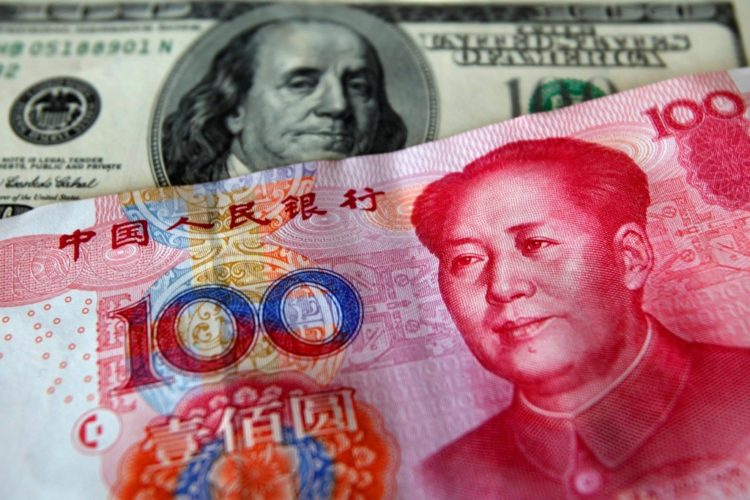
Aurangzeb said Pakistan could consider issuing between $1 billion and $2 billion in Eurobonds during the current fiscal year, depending on market conditions, pricing and maturity. The country is also planning to seek $750 million through yuan-denominated panda bonds.
The planned market return comes as Islamabad attempts to strengthen its external financial position. Pakistan has made progress in reducing fiscal pressures and inflation under its current International Monetary Fund programme, although economic growth and poverty remain major challenges.
Another important part of the government’s strategy is increasing exports. Aurangzeb has emphasized export-led growth, arguing that consumption-driven expansion can quickly create pressure on Pakistan’s external account because the economy remains heavily dependent on imports.
Pakistan’s trade deficit reached $39.5 billion in the year to June, according to the Financial Times report, highlighting the need for stronger export performance and improved foreign-exchange earnings.
The shift in financing priorities does not mean Pakistan is ending its economic relationship with China. Rather, the government is seeking to diversify its sources of financing and reduce dependence on any single bilateral lender.
The Financial Times reported that China accounts for around 23% of Pakistan’s foreign debt, while Aurangzeb indicated that Islamabad is not currently seeking fresh Chinese financing.
For Pakistan, attracting more US-backed investment could provide access to financing for sectors such as energy and aviation while strengthening trade links with the American market.
The proposed US swap line could also have significance beyond the funds themselves. By acting as a confidence-building mechanism, it could potentially help Pakistan improve investor sentiment as it seeks to re-enter international debt markets.
However, access to international capital will depend heavily on market conditions, Pakistan’s credit profile and investor confidence. The government will need to demonstrate that its fiscal reforms, export strategy and debt management policies can support sustainable economic growth.
Pakistan’s latest financing strategy therefore represents a broader attempt to diversify external funding, encourage investment and strengthen the economy’s ability to generate foreign exchange through exports.
If successful, greater US financing and a return to international capital markets could give Islamabad more options for managing its external financing needs while gradually reducing its dependence on bilateral debt.