The Pakistani rupee (PKR) maintained its recent positive streak against the US dollar, closing in the green for the 224th consecutive trading day on Friday.
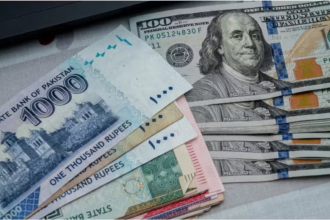
According to the latest market figures, the rupee closed at 277.56 against the US dollar, gaining one paisa during the day. While the daily improvement was modest, the continued stability against the dollar marks an extended period of gains or unchanged performance for the local currency.
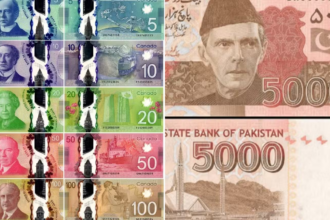
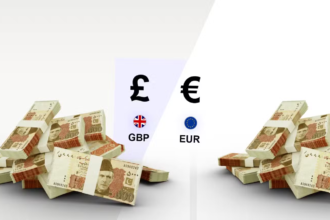
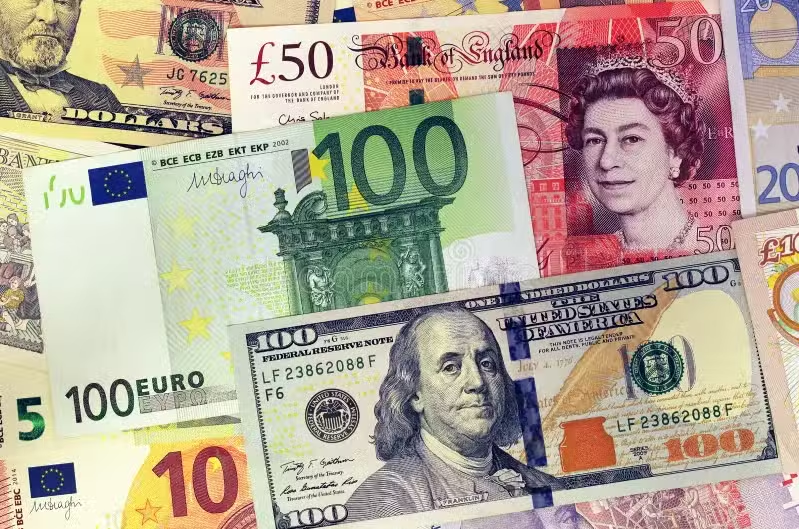
The movement against the US dollar was accompanied by pressure from several other major international currencies. The pound sterling, euro and Canadian dollar continued to trade at levels that reflected their strength against the Pakistani rupee.
The exchange-rate performance highlights an important distinction in currency markets. A currency can remain stable or strengthen against one major currency while losing ground against others because exchange rates are determined separately between each currency pair.
For businesses and consumers in Pakistan, movements in the pound, euro and Canadian dollar can have practical implications. Importers, overseas students, travelers and companies making international payments may be affected when these currencies become more expensive in rupee terms.
The rupee’s 224-day performance against the US dollar is also significant for the broader foreign exchange market. Sustained stability can provide greater predictability for businesses involved in international trade and financial planning.
However, small daily movements do not necessarily indicate a major change in the underlying direction of the currency market. Exchange rates can respond to a range of factors, including foreign currency supply and demand, international market conditions, trade flows and broader economic developments.
The closing rate of 277.56 means that one US dollar was valued at 277.56 Pakistani rupees at the reported market close. The one-paisa gain represents a relatively limited daily movement, but it extends the rupee’s ongoing streak against the dollar.
The performance of European and Canadian currencies is also relevant to Pakistan because the country maintains trade, remittance and financial links with markets where these currencies are widely used.
For investors and businesses, monitoring several major currencies rather than focusing only on the US dollar can provide a broader picture of foreign exchange conditions. Changes in the pound, euro and Canadian dollar can influence the cost of imports, international contracts and overseas transactions.
The latest figures therefore present a mixed picture for the Pakistani rupee. The currency continues to show stability against the US dollar, while other major currencies remain comparatively stronger against the PKR.
Market participants will continue to monitor the rupee’s performance in the coming sessions to see whether its extended streak against the US dollar continues.