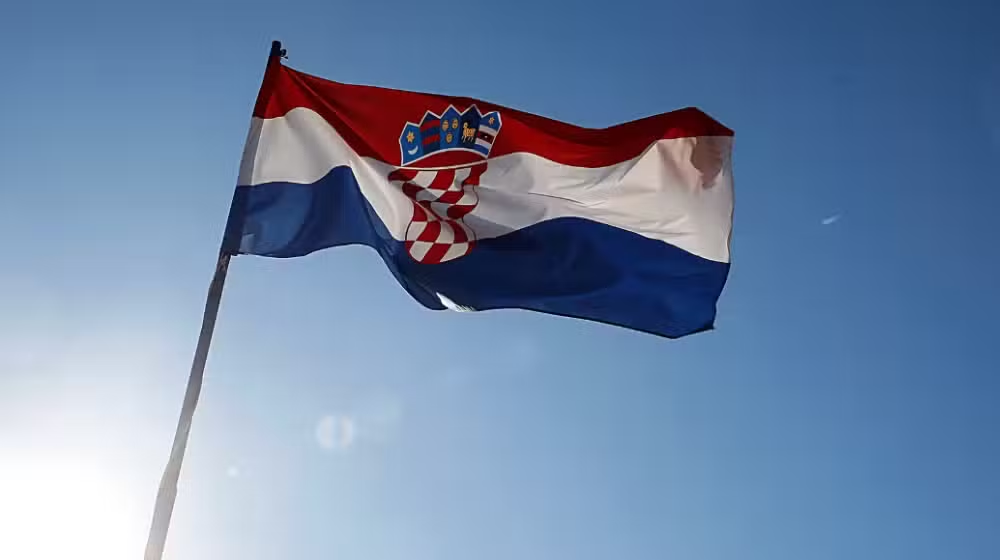
Croatia is preparing to roll out new work visa regulations in 2026, aiming to make it easier for foreign workers to live and work in the country. The reforms are designed to tackle labor shortages while improving long-term stability for international employees.
The updated policy focuses on extending work permit validity, allowing foreign workers to stay for up to three years. This change is expected to reduce the need for frequent renewals, offering greater security for both employees and employers.
Another key feature of the reform is increased job mobility. Under the proposed rules, workers may be allowed to switch employers after 12 months of employment. This flexibility could benefit skilled workers seeking better opportunities while also creating a more competitive labor market.
To support integration, authorities are considering introducing a basic language requirement. Foreign workers may need to pass an A1-level Croatian language test when renewing their permits. The measure is intended to help individuals adapt more easily to daily life and workplace communication.
The reforms primarily target sectors facing ongoing workforce shortages, including tourism, construction, and hospitality. By simplifying visa processes and improving working conditions, Croatia hopes to attract more international talent to sustain economic growth.
Experts believe these changes could make Croatia a more appealing destination compared to other European labor markets. The combination of longer permits, job flexibility, and integration support signals a shift toward a more inclusive and worker-friendly immigration system.
As global demand for skilled labor continues to rise, Croatia’s updated visa framework reflects a broader trend among countries seeking to balance economic needs with workforce mobility.