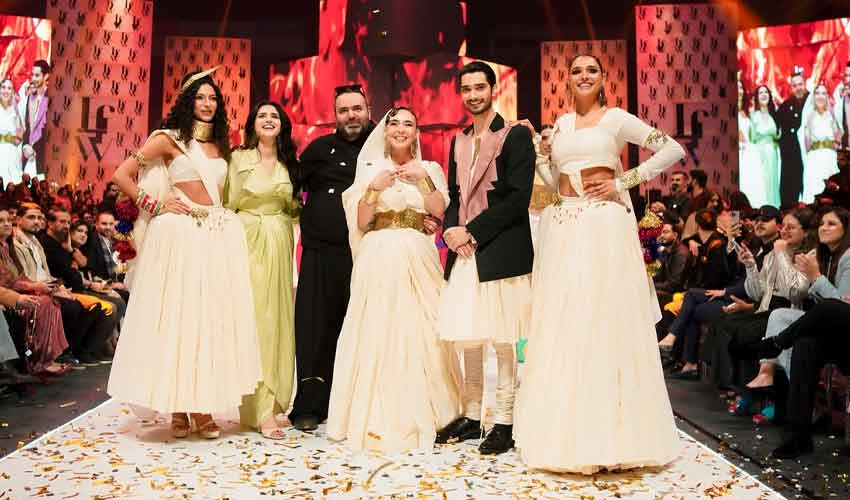
Laam Fashion Week Day 2 unfolded as a confident statement of Pakistan’s fashion evolution, bringing together accessibility, heritage, craftsmanship and global ambition on a single platform. As Pakistan’s first runway-to-e-tail fashion week, LFW continues to redefine how fashion is presented, consumed and experienced, both locally and internationally.
The second day offered a comprehensive view of the industry, uniting high-street brands, prêt labels, emerging manufacturers from the LFW Ramp Readiness Programme, luxury designers, couture houses and bridal ateliers. This diversity reinforced LFW’s vision of representing fashion in Pakistan as a complete ecosystem rather than a single aesthetic.

A defining milestone of the event is its global reach. Day 2, like the rest of the fashion week, is being streamed live across more than 120 countries and 7,800 cities, making it the largest international broadcast of Pakistani fashion to date and positioning local design firmly on the global map.
The day opened with a high-street edit that focused on wearable fashion without compromising on design integrity. Agha Noor introduced its Basant collection, inspired by renewal and springtime energy. Bright yellows, floral pinks and soft greens flowed through organza, silk and chiffon silhouettes designed for effortless elegance.
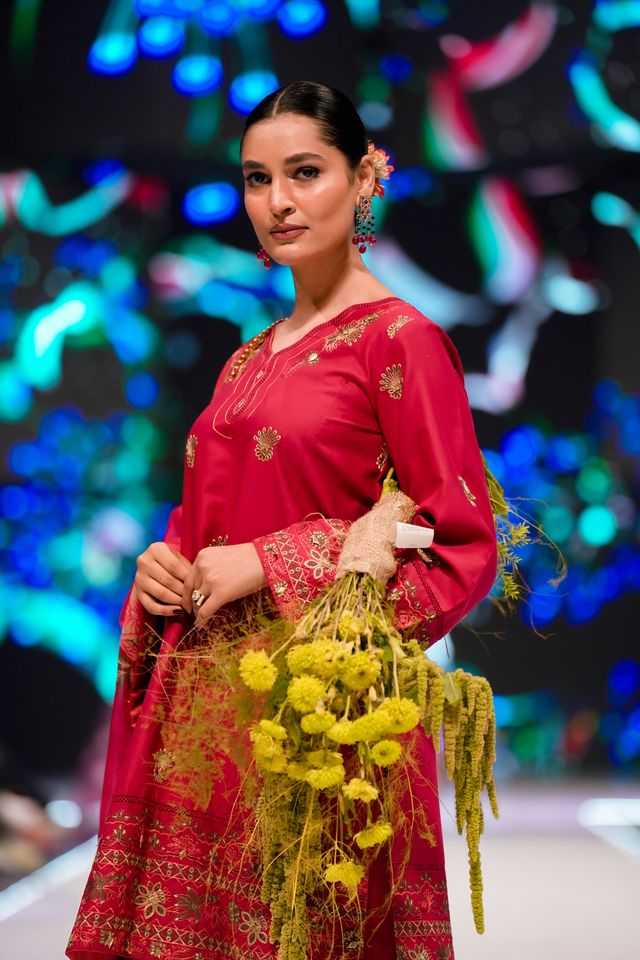
Panache Apparel followed with Mistfall, drawing from nature and quiet outdoor living. Muted hues, airy textures and relaxed forms emphasized comfort and summer-ready simplicity. Urge Pret closed the segment with Gulrang, a collection rooted in subtle strength, refined detailing and timeless everyday dressing.
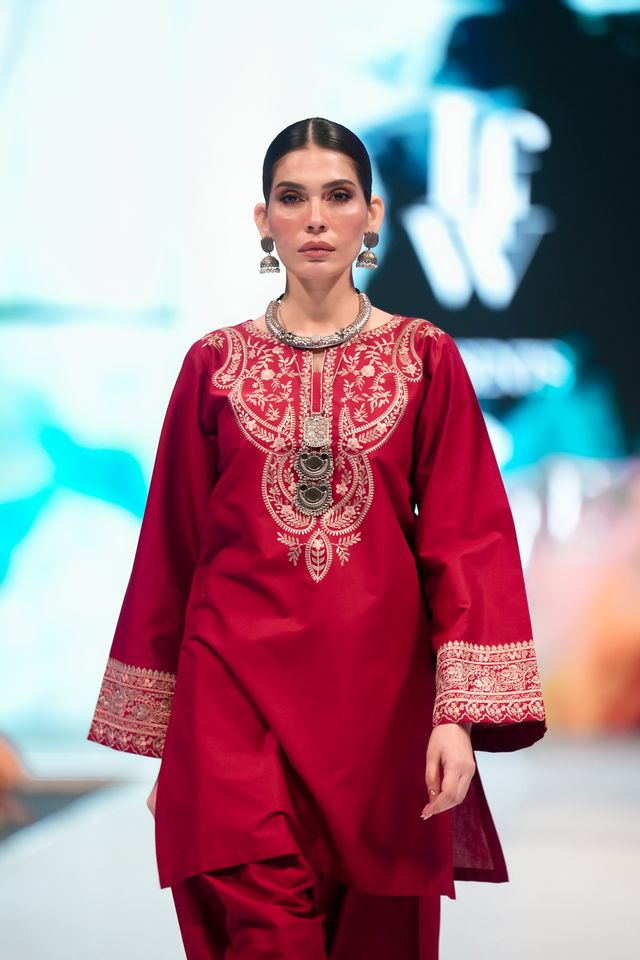
The retail runway segment shifted focus toward cultural narratives and heritage craftsmanship. Allure by Izna Hamza presented Sun at Noon, a cross-cultural exploration blending African motifs with Pakistani artisanal techniques. Earth-toned palettes, tribal geometry and rich fabrics highlighted shared histories of craft and identity.
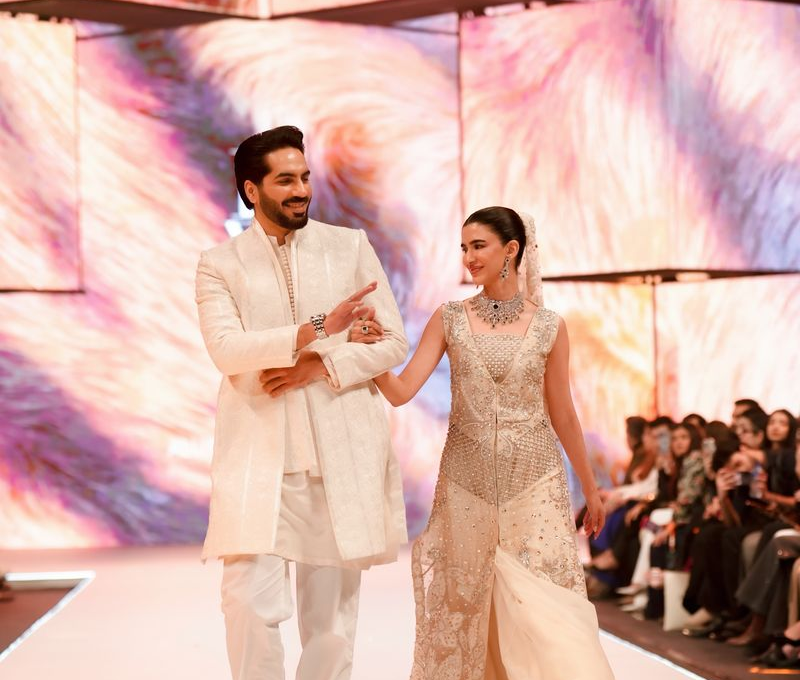
Bin Tayyab showcased Dastoor-E-Shahi, translating regal heritage into contemporary forms through jewel tones, layered textures and graceful silhouettes. Pehnawa by Bin Akram presented Amarbail, inspired by Mughal artistry and vintage Pakistani fashion, merging classic garments like shararas and angrakhas with modern cuts such as kaftans and jumpsuits.

Designer showcases added depth and creative boldness to the evening. Karma’s Dilruba marked Maheen Kardar’s return to the runway after a decade, celebrating desi maximalism through vivid colours and festive silhouettes. Deepak & Fahad’s Meraki fused traditional Ikkat weaving with abstract modern influences, creating an East-meets-West dialogue in handwoven fabrics.

Sadaf Fawad Khan unveiled Suroor, moving seamlessly from traditional elegance to dramatic contemporary couture. The finale by Fahad Hussayn, The Conclave of Anti-Fashion, reframed clothing as ideology and ritual, using sustainable materials, sculptural forms and live musical performances to close Day 2 on a powerful artistic note.
Together, these showcases reaffirmed Laam Fashion Week as a transformative platform shaping the future of Pakistani fashion.