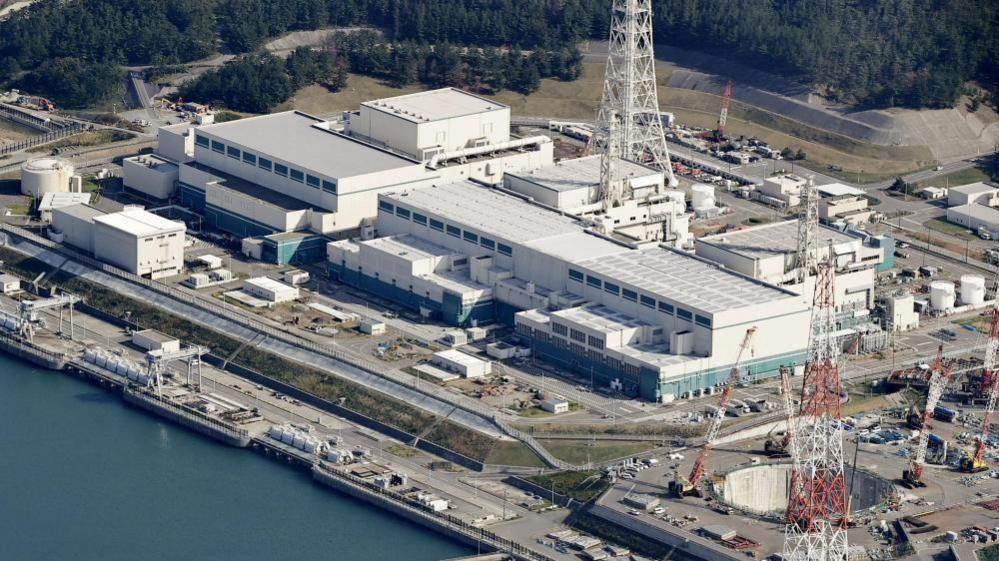
Japan has taken a major step toward restarting the world’s largest nuclear power plant after local authorities in Niigata province granted approval for the Kashiwazaki-Kariwa facility to resume operations. The decision marks a significant moment for the plant, which has been offline since the 2011 Fukushima disaster.
Niigata Governor Hideyo Hanazumi announced that he “would approve” the restart, though final authorization must still come from Japan’s national nuclear regulator. The sprawling facility, operated by Tokyo Electric Power Company (Tepco), was shut down along with the rest of the country’s nuclear fleet following the devastating earthquake and tsunami that caused reactor meltdowns at Fukushima.
Japan, heavily dependent on imported fossil fuels, is now pushing to revive nuclear energy to strengthen energy security, cut carbon emissions and meet rising electricity demand fueled by the rapid growth of artificial intelligence technologies. Fourteen reactors across western and southern Japan have already resumed operations under strict post-Fukushima safety regulations.
The Kashiwazaki-Kariwa plant — spanning 400 hectares along the Sea of Japan — has undergone extensive safety upgrades. These include a 15-metre tsunami protection wall, elevated power backup systems and enhanced emergency response measures designed to prevent a repeat of 2011.
Before the Fukushima disaster, nuclear power supplied nearly one-third of Japan’s electricity. But in the years that followed, fossil fuels filled the gap, with coal, gas and oil meeting nearly 70 percent of the nation’s electricity needs in 2023. Japan imports almost all of these fuels, costing the country approximately $500 million every day.
To reduce this burden and meet climate goals, Japan has introduced new laws allowing nuclear reactors to operate beyond 60 years, compensating for periods of forced shutdown. The country aims to reduce its reliance on fossil fuels to 30–40 percent by the late 2030s, while making renewable energy its largest power source by 2040.
Under its long-term energy plan, nuclear power is expected to provide around 20 percent of Japan’s electricity supply by 2040 — a significant increase from 5.6 percent in 2022. The potential restart of the Kashiwazaki-Kariwa plant would be Tepco’s first reactor revival since Fukushima and a pivotal moment in Japan’s recalibrated energy strategy.