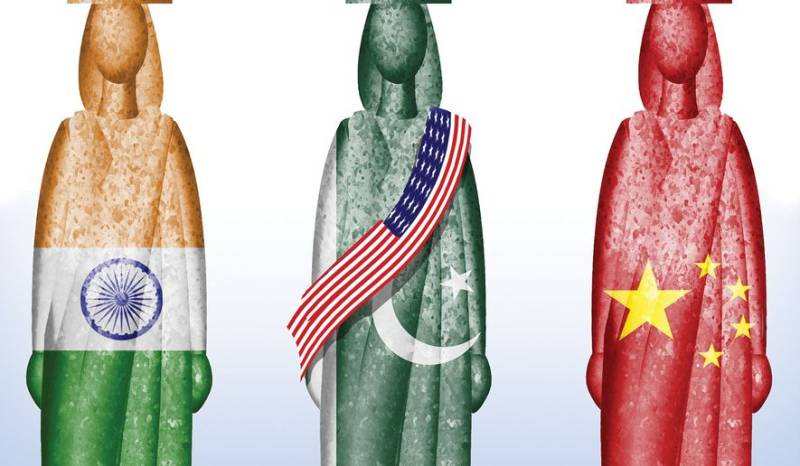
A recent article in The Washington Times has marked 2025 as a pivotal year in Pakistan-United States relations, highlighting a notable shift in Washington’s strategic outlook toward South Asia. Authored by retired US Army Brigadier General Mark Kimmitt, the piece underscores how Pakistan has gained prominence over India, signaling the end of the longstanding “India First” approach in US policy.
Brig. Gen. Kimmitt writes that at the start of the year, Pakistan faced widespread skepticism in Washington. The country was viewed as diplomatically isolated, with a security establishment considered opaque and unreliable, while economic dependence on external financing further complicated perceptions. Analysts warned of a severe national security challenge, yet by the end of 2025, Pakistan had transformed its international image, emerging as a key partner in US regional strategy.
The article credits Pakistan’s rise to consistent diplomatic engagement, military professionalism, and leadership under Field Marshal Asim Munir, who now holds the dual position of army chief and chief of defense forces. Discreet counterterrorism cooperation and timely gestures of engagement helped Islamabad gain credibility, creating a positive cycle of trust and collaboration with Washington.
A decisive moment came during the brief May clash with India, which showcased Pakistan’s military discipline, strategic focus, and asymmetric capabilities. The outcome reportedly impressed US officials, including President Donald Trump, and contributed to a recalibration of US strategy in South Asia. Pakistan’s military modernization and streamlined command structure were also highlighted as factors bolstering its regional stature.
The shift in US policy has been influenced not only by Pakistan’s performance but also by growing concerns over India’s domestic and military trajectory. Issues such as majoritarian politics, constraints on civil liberties, and perceived diplomatic inflexibility prompted Washington to reconsider India as a reliable regional partner. In contrast, Pakistan’s proactive approach and responsiveness positioned it as a credible and emerging asset for US foreign policy objectives in the region.
Brig. Gen. Kimmitt concludes that Pakistan’s strategic resurgence reflects a broader transformation in regional dynamics, with Washington increasingly viewing Islamabad as a central pillar of its South Asia engagement, shaping both military and diplomatic cooperation in the years to come.