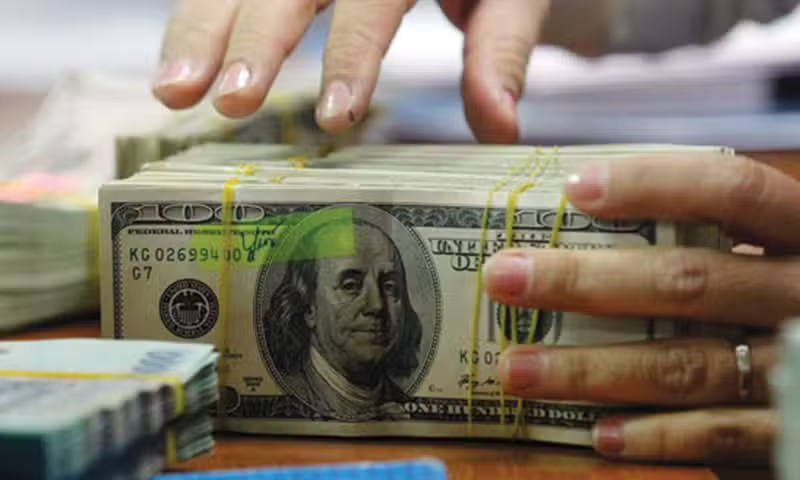
The Pakistani rupee continued its steady performance against the US dollar on Monday, marking its 288th consecutive trading day of gains. The local currency closed slightly stronger in the interbank market, maintaining its extended positive streak despite fluctuations in broader currency indicators.
According to the latest exchange rate figures, the Pakistani rupee closed at Rs. 276.50 against the US dollar on Monday. This represented a gain of one paisa compared with the previous trading session.
The latest movement reflects the rupee’s continued stability in the foreign exchange market, where it has recorded consistent gains since December 25, 2025.
The currency’s performance has attracted attention from financial market observers, particularly because of the length of its positive streak. Maintaining stability against the US dollar is important for Pakistan, as the country relies heavily on imports and foreign currency payments.
Why the Rs. 270–280 Range Matters
Financial analysts have identified the Rs. 270–280 range against the US dollar as an important level for the Pakistani currency.
Despite recent upward fluctuations in the Real Effective Exchange Rate (REER), the rupee has remained within this broader exchange rate range.
The REER measures a country’s currency value against a basket of other currencies, adjusted for differences in inflation. It provides a broader picture of currency competitiveness than the bilateral exchange rate against the US dollar alone.
Market participants closely monitor this indicator because changes in the REER can influence the competitiveness of exports and the cost of imported goods.
The rupee’s position within the Rs. 270–280 range therefore remains an important factor for businesses, importers, exporters and financial institutions.
Impact on Pakistan’s Economy
A relatively stable rupee can help businesses plan their financial activities and manage payments for imported goods. It can also reduce uncertainty for companies that depend on foreign suppliers and international trade.
Pakistan imports significant quantities of petroleum products, machinery, industrial raw materials and other essential commodities. Exchange rate movements can influence the domestic cost of these imports.
When the rupee remains stable, importers may find it easier to estimate their purchasing expenses and manage financial risks.
Currency stability can also support businesses with foreign currency obligations, although the final impact depends on international prices, shipping expenses and other economic factors.
For exporters, however, the exchange rate has a different significance. A stronger or relatively stable local currency can affect the price competitiveness of Pakistani products in international markets.
Rupee Maintains Its Extended Winning Streak
The latest one-paisa appreciation adds another day to the rupee’s reported positive performance against the US dollar.
Its continued stability has become an important development in Pakistan’s foreign exchange market, particularly amid wider economic challenges and changing international financial conditions.
However, maintaining a stable exchange rate over the longer term will depend on several factors, including foreign exchange reserves, export earnings, remittances, import demand and overall economic conditions.
For now, the Pakistani rupee has maintained its position at Rs. 276.50 per dollar, extending its reported winning streak to 288 consecutive trading days.