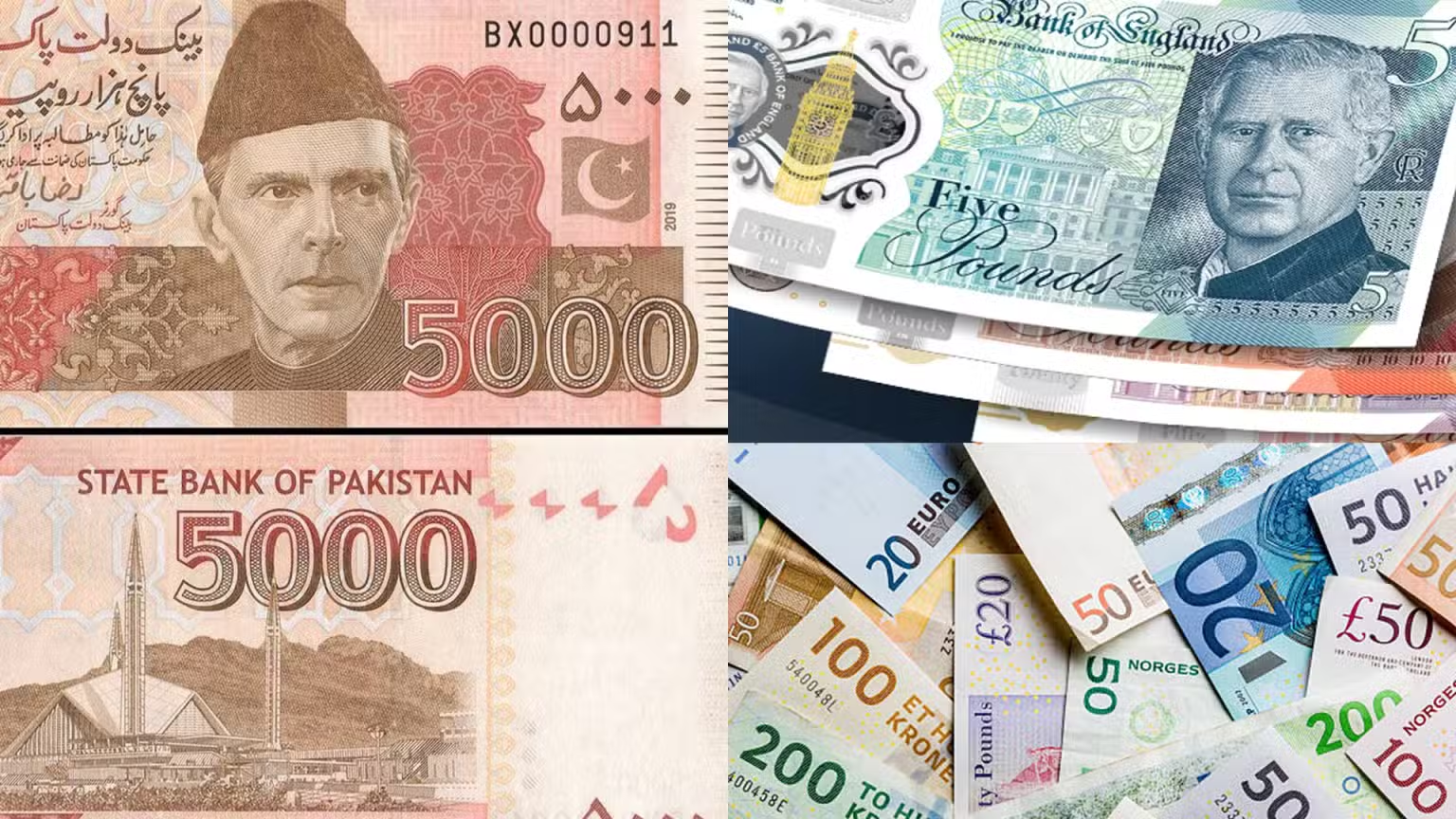
The Pakistani rupee continued its positive performance against the US dollar on Friday, maintaining its upward streak for the 268th consecutive day. The local currency recorded another modest gain in the latest trading session, reflecting continued stability in the interbank foreign exchange market.
According to the reported exchange rate, the Pakistani rupee closed at 276.82 against the US dollar after gaining three paisas during the day. Although the movement was small, it extended the currency’s reported run of consecutive sessions closing in positive territory against the greenback.
The latest performance keeps the rupee in focus as market participants monitor currency movements, external payments and broader economic developments. Exchange rate stability remains an important consideration for businesses, importers, exporters and consumers across Pakistan.
The US dollar plays a significant role in Pakistan’s international trade because many essential imports, including petroleum products, machinery and industrial raw materials, are priced in dollars. Changes in the exchange rate can therefore influence import costs and affect prices throughout the domestic economy.
A stronger rupee can help reduce the local-currency cost of imported goods, provided international prices and other expenses remain unchanged. This may offer some relief to businesses that depend on imported materials and equipment.
Currency stability can also help companies plan their payments and manage financial risks. Businesses involved in international trade often monitor daily exchange rate movements when preparing budgets, negotiating contracts and calculating expected costs.
However, a small daily gain does not automatically translate into lower consumer prices. The final cost of imported products also depends on global commodity prices, transportation expenses, taxes, duties and other domestic factors.
Pakistan’s exchange rate performance is influenced by several economic indicators, including foreign exchange reserves, remittance inflows, export earnings, import demand and the country’s external financing position. Monetary policy and developments in international currency markets can also affect the rupee’s movement against the dollar.
For investors and financial market participants, the rupee’s extended positive streak is a development worth monitoring. However, the number of consecutive gains alone does not establish the long-term direction of the currency or guarantee that the trend will continue.
Importers may benefit from a relatively stable exchange rate because it makes foreign payment obligations easier to estimate. Exporters, meanwhile, assess currency movements alongside production costs and international demand when evaluating their competitiveness.
The exchange rate is also important for Pakistan’s broader economic outlook. Significant currency fluctuations can affect inflation, the cost of servicing foreign-currency obligations and the prices of goods purchased from international markets.
The rupee’s latest close at 276.82 per US dollar, following a three-paisa gain, marks another session in its reported 268-day positive streak. Market participants will continue watching upcoming trading sessions for signs of whether the currency can maintain its stability against the dollar.
While the latest movement is modest, sustained exchange rate stability could support business planning and improve predictability in Pakistan’s foreign exchange market. Future performance will depend on domestic economic conditions, external financial flows and developments in global markets.