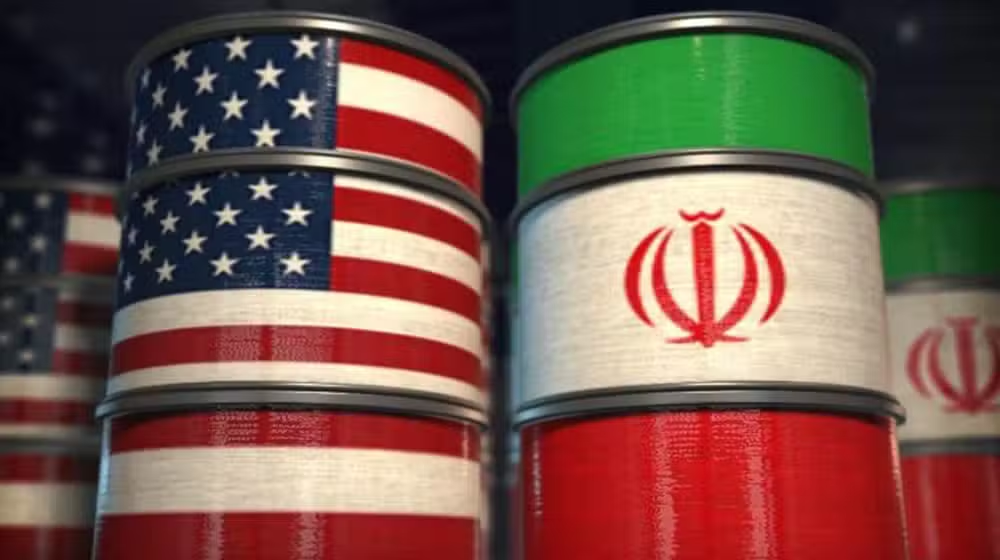
Global oil markets surged to their highest levels in seven months as investors reacted to rising geopolitical tensions between the United States and Iran. Concerns over a possible military confrontation triggered volatility across energy markets, pushing crude benchmarks higher during Asian trading hours.
Oil prices initially climbed sharply before easing slightly later in the session. West Texas Intermediate (WTI) crude advanced 0.9 percent to reach $67 per barrel by 7:40 PM Pakistan Standard Time. Meanwhile, Brent crude rose 0.76 percent to $72.03 per barrel, hovering near its strongest level in seven months.
The rally reflects growing fears that any escalation between the United States and Iran could disrupt global oil supplies. Iran remains a key oil producer in the Middle East, and heightened instability in the region often translates into supply concerns for international markets.
Energy analysts note that geopolitical risk premiums are quickly being priced into crude futures. Traders are closely monitoring diplomatic signals, military movements, and official statements from both sides. Even speculation of conflict can impact prices, as markets attempt to anticipate potential supply interruptions in one of the world’s most critical oil-producing regions.
The Strait of Hormuz, a strategic maritime route through which a significant portion of global oil shipments pass, remains central to these concerns. Any disruption in this corridor could tighten global supply chains and push prices further upward. Investors are factoring in worst-case scenarios, including sanctions, retaliatory measures, or limited strikes that could impact production or transport.
Beyond geopolitical tensions, underlying supply-demand dynamics are also supporting higher prices. Seasonal demand recovery in major economies and disciplined output management by leading oil-producing nations have contributed to tighter market conditions. However, the dominant driver this week remains political uncertainty.
Higher oil prices have broad economic implications. For oil-importing countries like Pakistan, sustained increases can put pressure on foreign exchange reserves, fuel inflation, and widen trade deficits. Policymakers typically monitor such developments closely to assess potential adjustments in fuel pricing and subsidy mechanisms.
Financial markets are expected to remain sensitive in the coming days. Traders will likely react swiftly to any confirmed developments involving Washington or Tehran. If tensions ease through diplomatic channels, some of the recent gains may moderate. However, any signs of escalation could push crude benchmarks beyond current seven-month highs.
For now, energy markets remain on edge, with geopolitical risk once again demonstrating its powerful influence over global commodity prices.