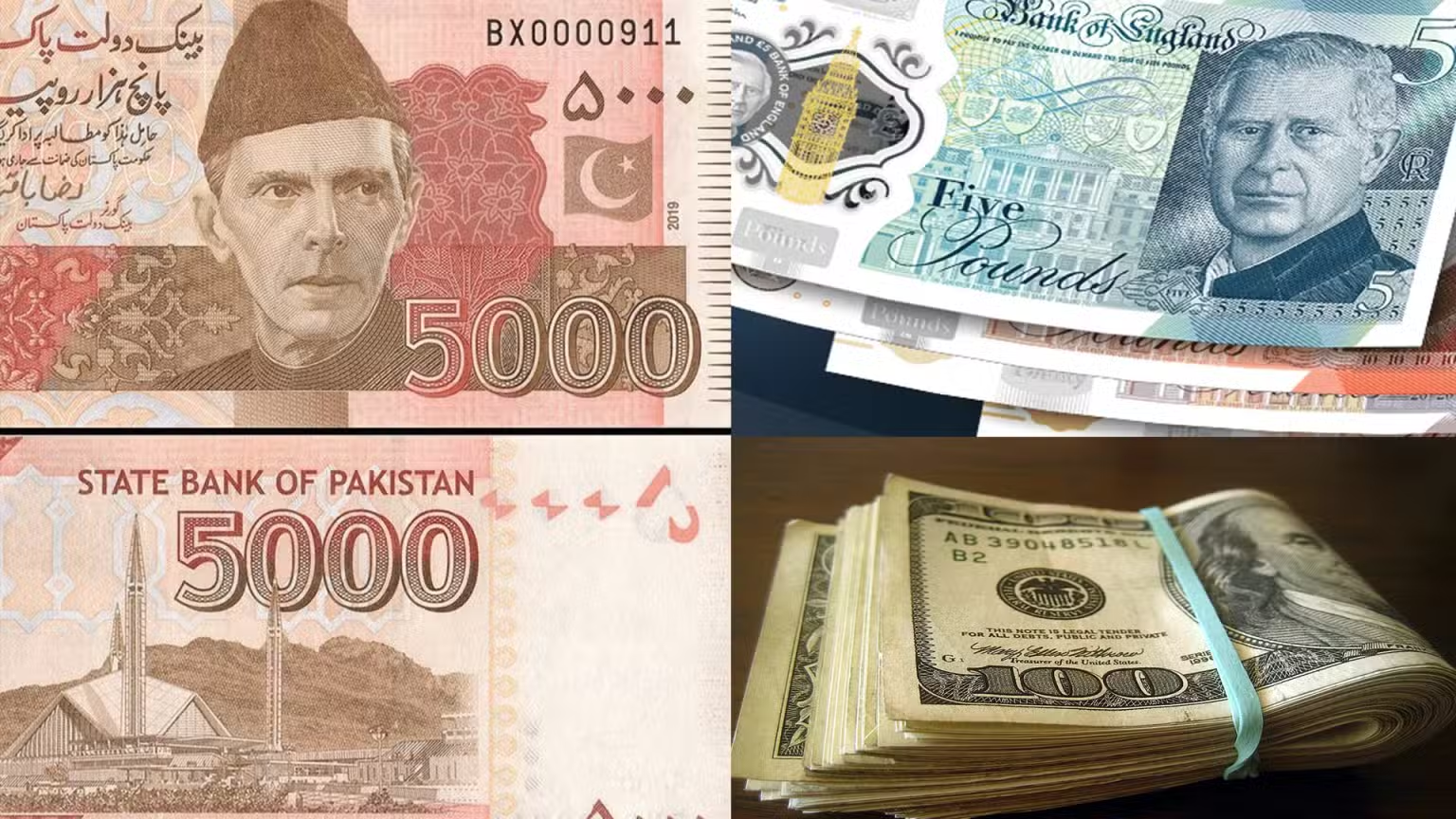
The Pakistani rupee (PKR) extended its positive momentum against the US dollar on Wednesday, marking its 193rd consecutive session of gains or stability in the interbank market. The local currency continued its gradual appreciation, reflecting sustained confidence in Pakistan’s foreign exchange market.
At the close of trading, the rupee settled at Rs. 278.07 against the US dollar after gaining three paisas compared to the previous session. Although the daily movement was modest, it highlighted the currency’s continued resilience amid evolving domestic and global economic conditions.
The rupee’s prolonged period of relative stability has been supported by a combination of factors, including improved foreign exchange management, stronger remittance inflows, export receipts, and measures aimed at curbing speculative activity in the currency market. Market participants have also closely monitored Pakistan’s external financing position and broader macroeconomic developments.
Currency stability plays a significant role in the country’s economic outlook. A stronger or stable rupee can help moderate the cost of imports, particularly essential commodities such as petroleum products, machinery, and industrial raw materials. This may also ease inflationary pressures by reducing the impact of imported goods on domestic prices.
Despite the rupee’s recent performance, exchange rates remain influenced by several factors, including international oil prices, global financial market trends, foreign investment flows, and Pakistan’s trade balance. Any major shift in these indicators could affect the currency’s direction in the coming weeks.
Businesses engaged in international trade continue to monitor exchange rate movements closely. Importers benefit from a stable currency when purchasing goods from overseas, while exporters often assess exchange rate trends when pricing products in global markets.
The value of the Pakistani rupee against other major international currencies also remains important for overseas Pakistanis, travelers, and businesses involved in cross-border transactions. According to market rates, the British Pound was trading at around Rs. 371, reflecting continued fluctuations in global currency markets.
Financial analysts note that maintaining exchange rate stability remains an important objective for policymakers, as predictable currency movements can improve investor confidence and support overall economic planning. Stable foreign exchange markets also help businesses manage costs more effectively and reduce uncertainty.
The State Bank of Pakistan and financial institutions continue to monitor domestic and international developments that may influence the foreign exchange market. Economic indicators, monetary policy decisions, and external financing arrangements will remain key drivers of the rupee’s future performance.
While daily movements in the exchange rate are often limited, the rupee’s extended streak of positive sessions reflects improving market sentiment and relatively stable trading conditions. Investors and businesses will continue to watch upcoming economic data and global developments for further direction.
As Pakistan navigates a changing global economic environment, exchange rate stability will remain an important factor in supporting trade, investment, and overall economic confidence.