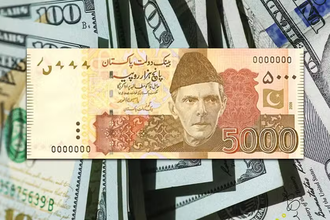
The Pakistani Rupee showed mixed performance in the latest trading session, maintaining its upward trend against the US Dollar while weakening significantly against other major global currencies.
On Monday, the rupee extended its gains against the dollar for the 152nd consecutive session, closing at 278.76 after a marginal improvement of one paisa. This continued stability against the USD reflects relative balance in Pakistan’s external account and controlled demand for the greenback in the interbank market.
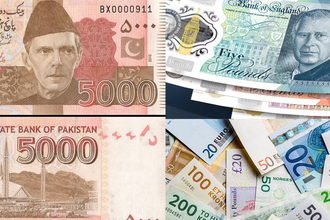
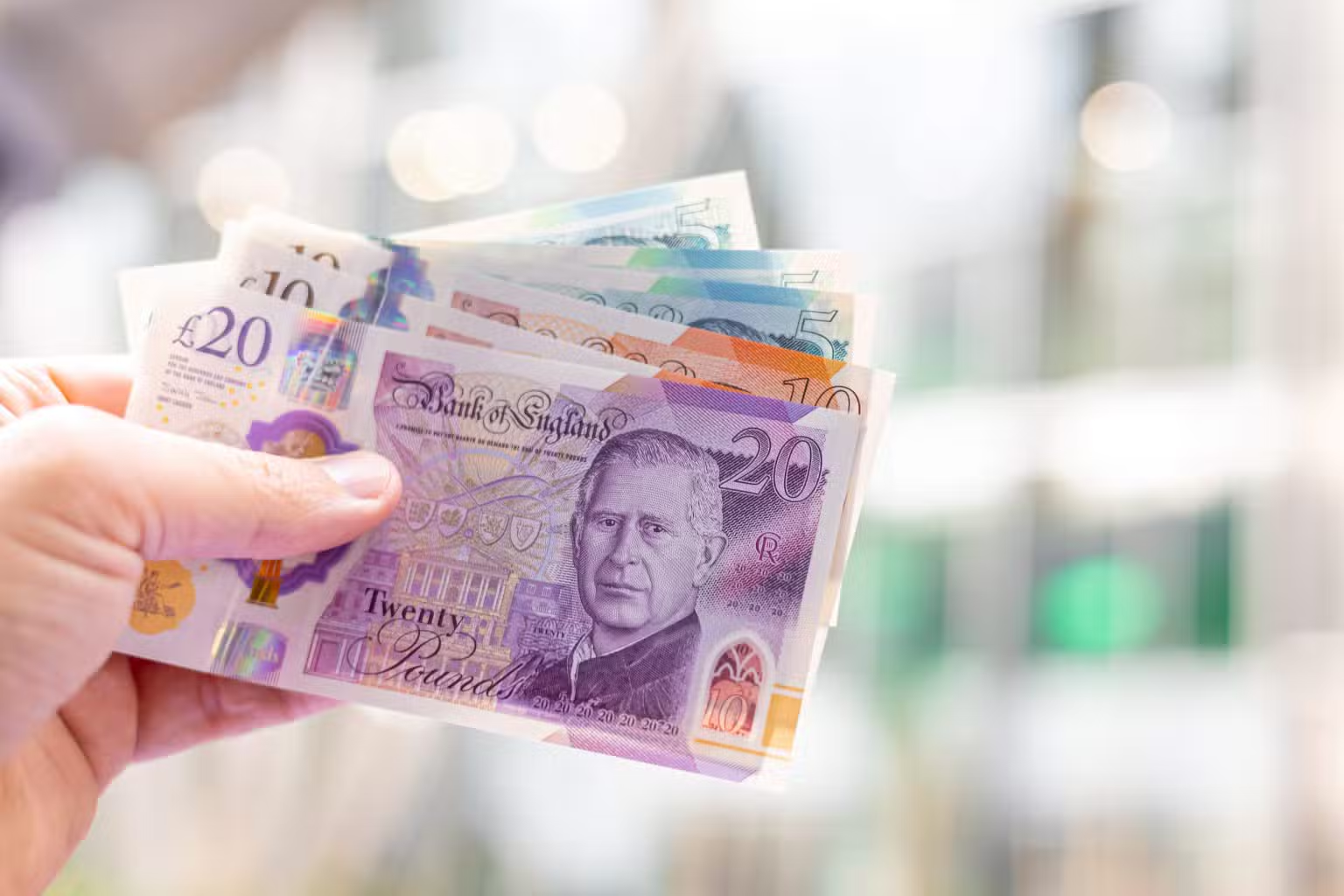
However, the local currency faced pressure against key international currencies, including the British Pound, Euro, and Australian Dollar. The depreciation against these currencies highlights broader global market dynamics, where shifts in exchange rates and stronger foreign currencies impact the rupee’s overall standing.
Currency analysts suggest that while the rupee’s stability against the US dollar is encouraging, its weakness against other currencies may affect import costs, particularly for goods priced in euros or pounds. This could have implications for inflation and business expenses in sectors reliant on international trade.
The divergence in performance also underscores the complexity of Pakistan’s foreign exchange market, where multiple factors such as global currency strength, trade flows, and investor sentiment play a role in determining exchange rates.
Despite the losses against other currencies, the rupee’s continued resilience versus the US dollar remains a key highlight. Policymakers and market participants will closely monitor these trends to assess their impact on the broader economy in the coming weeks.