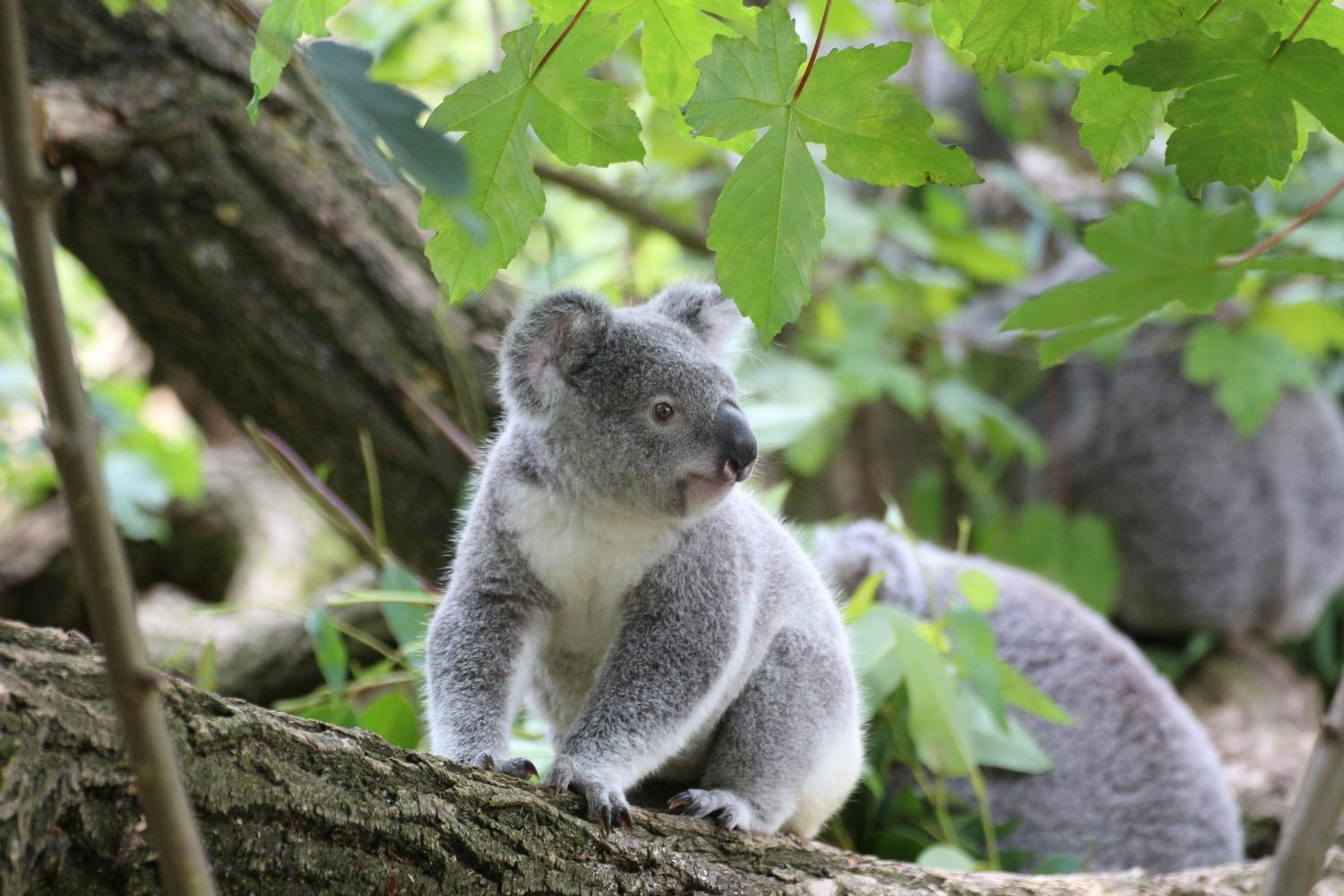
Australia has taken a historic step toward protecting one of its most beloved native animals. Regulators have officially approved the rollout of a chlamydia vaccine for koalas, a disease that has been one of the leading causes of decline among the marsupial population.
A Decade of Research Leads to Breakthrough
The vaccine, developed by scientists at the University of the Sunshine Coast, has been in testing for nearly a decade. With approval from the veterinary medicine regulator, the single-dose vaccine will now be available nationwide.
Lead researcher Professor Peter Timms explained that the disease was pushing wild koalas toward extinction, particularly in southeast Queensland and New South Wales, where infection rates often reach 50% to 70%.
Protecting Wild Populations
According to trial results, the vaccine significantly reduces the risk of koalas contracting chlamydia during breeding age. Mortality rates in wild populations dropped by at least 65% in areas where the vaccine was tested.
Until now, antibiotics were the only available treatment. However, antibiotics disrupted koalas’ digestive systems and offered no long-term immunity. The vaccine provides a safer and more sustainable solution.
The Impact of Chlamydia on Koalas
Koalas first showed signs of chlamydia infection about 50 years ago. The bacterial disease causes severe health complications, including blindness, bladder infections, infertility, and even death.
The spread of chlamydia, combined with deforestation, habitat loss, and urban expansion, has contributed to the decline of koalas, leading the government to list them as endangered along the east coast.
Current Koala Population Estimates
Australia’s official monitoring program estimates between 95,000 and 238,000 koalas live across Queensland, New South Wales, and the Australian Capital Territory. Another 129,000 to 286,000 are found in Victoria and South Australia.
Despite these numbers, conservationists warn that koala populations are shrinking rapidly. Australia already has the highest rate of mammal extinction in the world, with nearly 100 species lost in just over a century.
A Step Toward Conservation
To complement the vaccine rollout, the Australian government has also suspended logging in several areas of the east coast, creating safe havens for koalas. Experts believe these measures will not only protect the species but also strengthen biodiversity and ecosystem resilience.
Professor Timms expressed optimism about the future, calling the vaccine a “turning point” in the fight to save koalas.